

Iceland in late April and early May is not a holiday for the faint-hearted - but it might be the most authentic way to truly experience this country. Fewer tourists, dramatic landscapes, and a rawness you simply won't find in the height of summer.
We at the StayFree team travelled through Iceland during exactly this period - not just as tourists, but to document new camping spots for the app, take photos, and gather up-to-date information for other travellers.
We drove the entire Ring Road - and 8 days is doable, but only if you have 7 to 10 days available. Any less and you will be rushing from stop to stop instead of actually experiencing the country. If you have fewer days, pick one region and go deep rather than trying to cover everything.
What is the Ring Road? The Ring Road - officially Route 1 - is the main highway that circles the entire island of Iceland. It stretches around 1,300 km and connects most of the country's major towns, landscapes, and attractions in one continuous loop. It is the backbone of almost every campervan trip in Iceland and the easiest way to see a huge variety of landscapes without needing to backtrack.
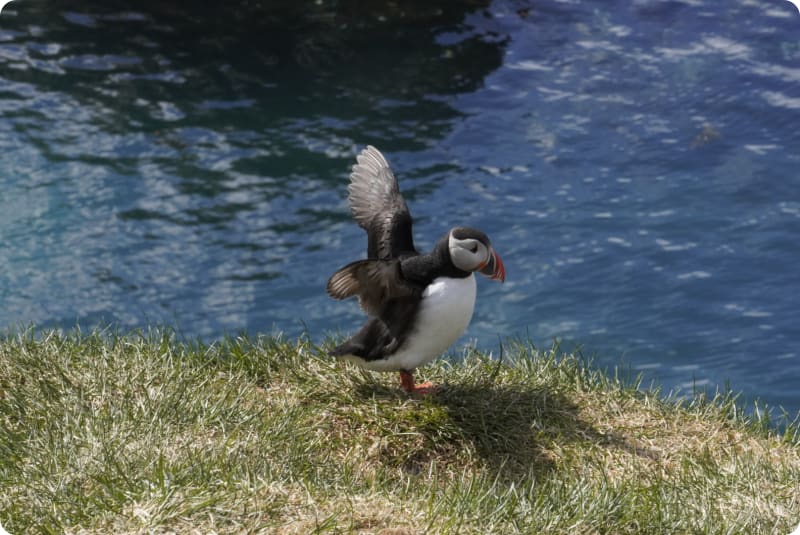
Along the way we ticked off some of Iceland's most iconic highlights: kayaking on Jökulsárlón Glacier Lagoon, standing in front of Skógafoss and Seljalandsfoss, walking the black sand beach at Reynisfjara, and spotting the first puffins of the season returning to the cliffs at Bakkagerði in the Eastfjords.
Here is everything you actually need to know before you go.
The weather: cold, windy, unpredictable
Straight to the point: it is cold. Daytime temperatures sit around 0°C to 10°C, with nights often dropping to 0°C or below. Iceland's strong winds make it feel even colder. Sunshine, snow, and rain all in one day is not unusual. Flexibility is not optional here - it is essential.
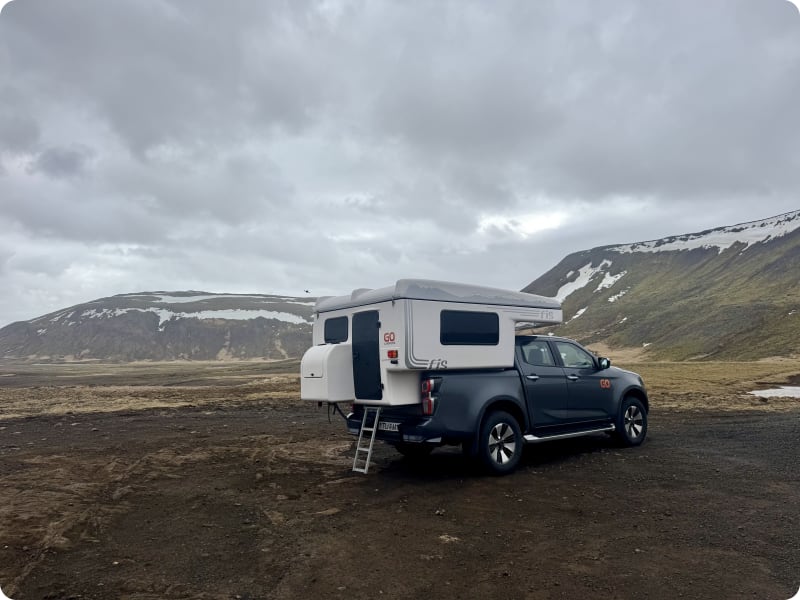
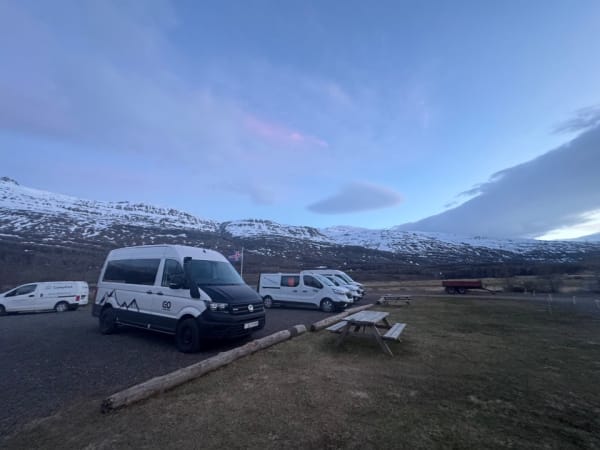
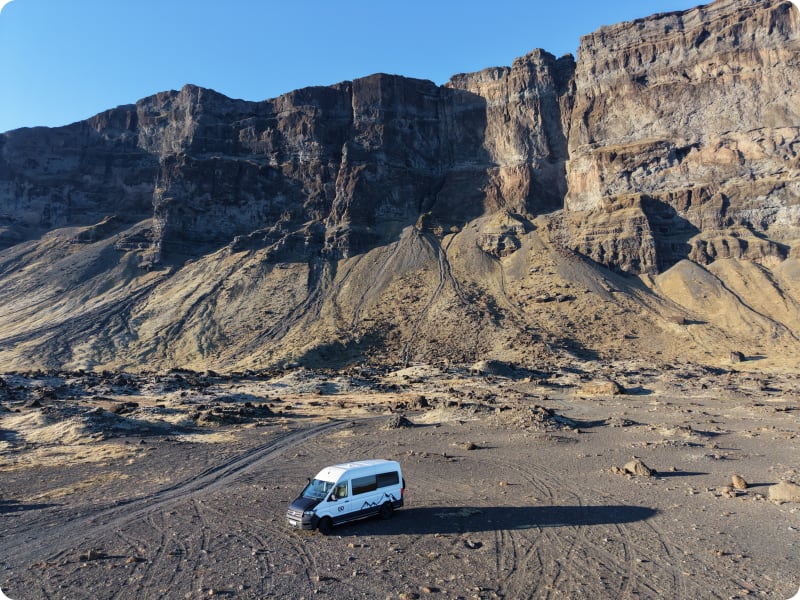
At the start of our trip we tested an Isuzu D-Max with a rooftop tent - great for a roadtrip, far too cold in practice. At night with wind exposure it was almost unbearable. We then switched to a VW Crafter from GoCampers - and that changed everything.

Wild camping in Iceland: is it possible?
Short answer: mostly no. Overnight parking outside of official campsites is forbidden in Iceland. This applies to roadsides, car parks, and nature areas alike.
Fines start at 50,000 ISK (approx. €345) and can go significantly higher
Icelandic moss takes decades to recover after being damaged
A single tyre track can visibly scar the landscape for 50+ years
Most rental campervans have no toilet, no shower, and no adequate water storage anyway
There is another often-overlooked issue: many campsites in Iceland do not have sump stations for grey water disposal. Even if your campervan has a grey water tank, emptying it on the road can become a serious challenge. Always check in advance which sites along your route offer this facility.
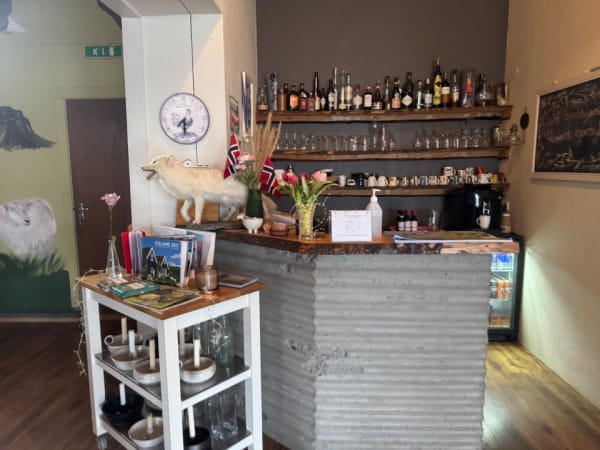
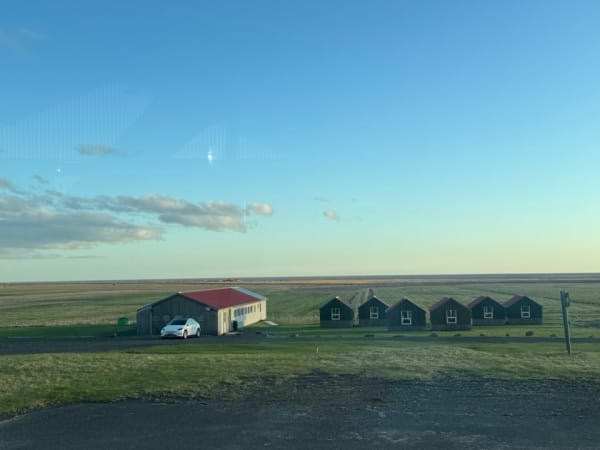
Some campsites in StayFree:
Road conditions: what is actually drivable?
F-roads (highland tracks) are almost entirely closed in spring - even with 4WD
Weather can shift completely within a matter of hours
Wind is the biggest factor - not rain or snow
Not all campsites have reopened after winter - checking ahead is essential
We learned quickly: wind can turn your entire day upside down. Always hold car doors firmly when opening - gusts can rip them out of your hands and cause serious damage.

The landscape: raw, dark, and incredibly dramatic
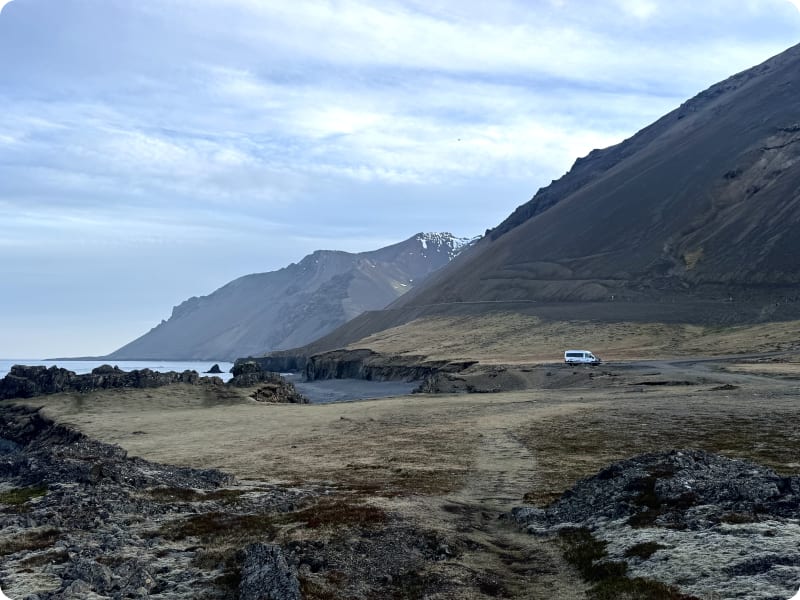
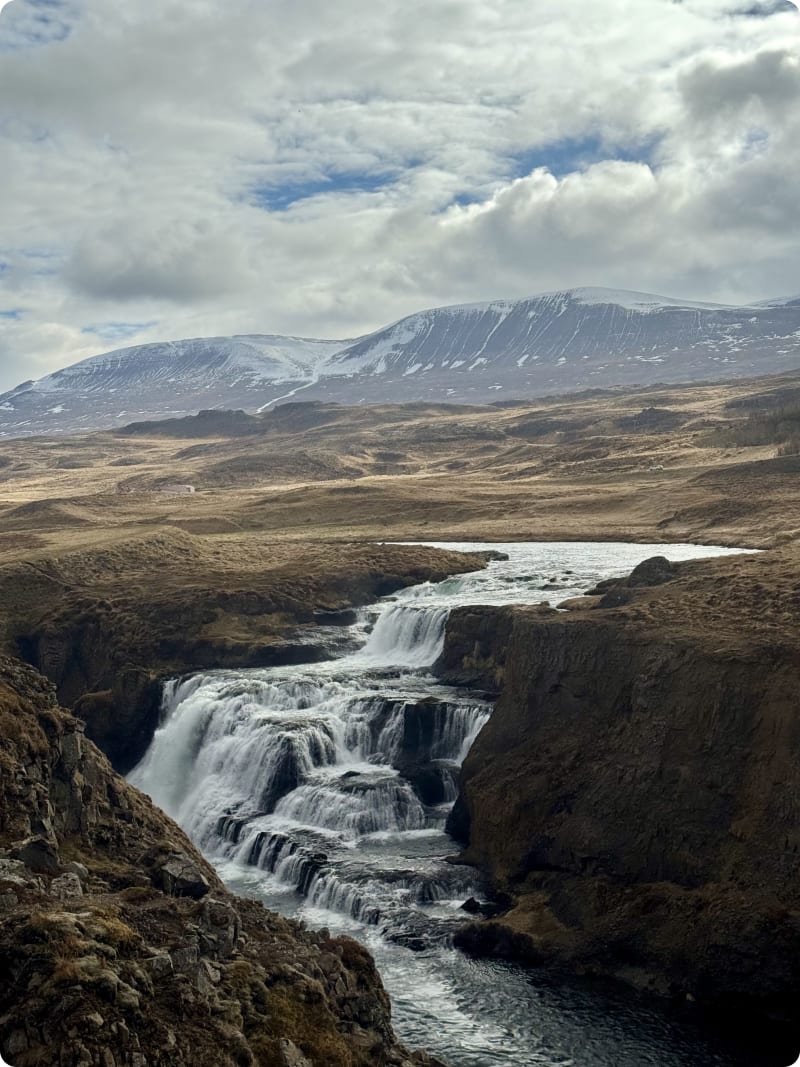
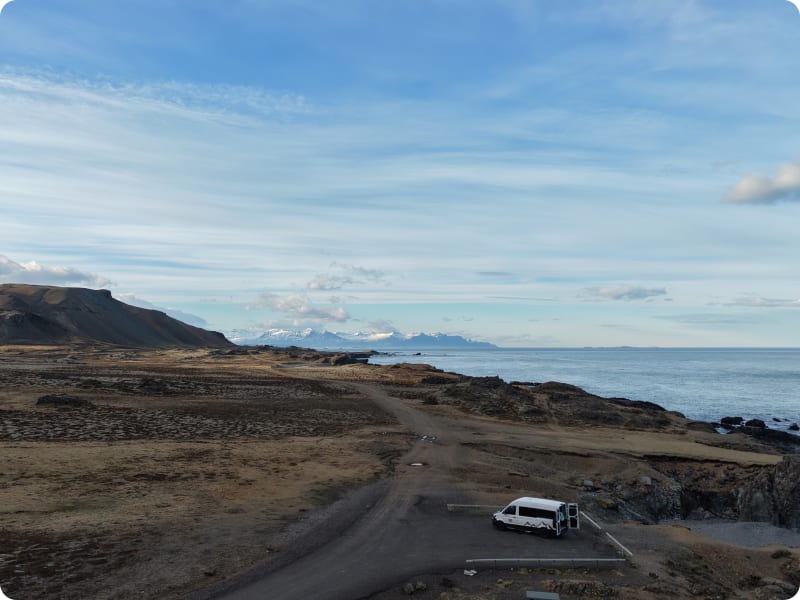
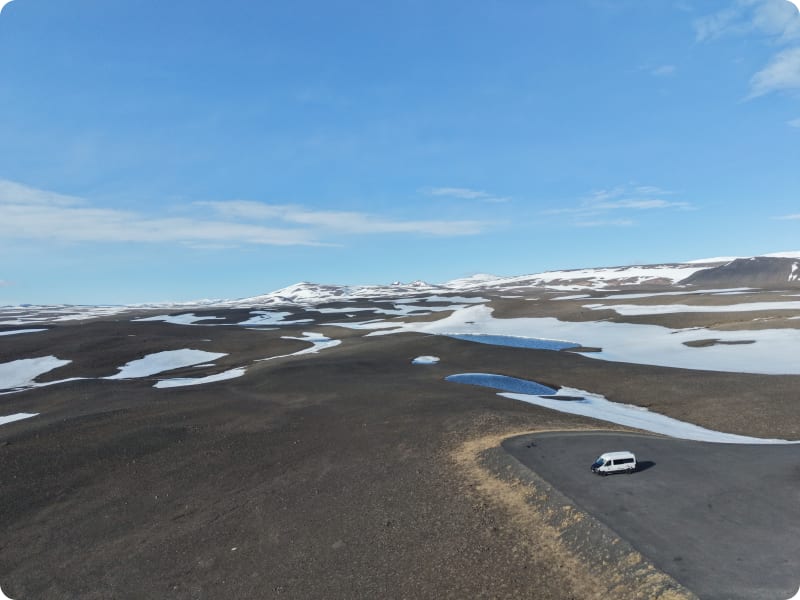
One of the most striking things about Iceland in early spring: the fields are not yet green. Instead of lush scenery you get brown, yellow, and dark volcanic terrain - broken up by patches of remaining snow.
For us, this was one of the highlights. The contrast between black sand, snow, and ocean feels more dramatic and less "polished" than during peak season. Puffins return to the cliffs right around this time - we were lucky enough to spot the very first arrivals of the season.


Why go anyway - the real advantages of shoulder season
Fewer tourists: Famous locations are almost entirely yours
Long days: Plenty of daylight for exploring
Puffin season begins: The first puffins return to the coastline
More authentic: Iceland closer to its natural state, without the tourist crowds
If you lucky you can see Northern Lights

Do's & Don'ts for your Iceland road trip in spring
What to avoid at all costs
❌ Do not drive F-roads - They are closed, dangerous, and violations carry heavy fines - regardless of your vehicle.
❌ No wild camping - It is illegal, expensive, and damaging to Iceland's unique nature.
❌ Do not underestimate the wind - Gusts can rip car doors open and cause damage - always hold on when opening.
❌ Do not plan an unrealistic route - The entire Ring Road in 3 to 4 days? That is pure stress. Focus on one region and do it properly.
❌ Do not just set off without planning - Many campsites only open late in spring. Check ahead - for example with StayFree.


How to make your road trip great
✅ Plan flexibly - The weather changes constantly. A loose plan allows for spontaneous adjustments.
✅ Check road and weather conditions daily - The Icelandic Met Office (vedur.is) and road.is are your most important sources.
✅ Rent a heated campervan - A Webasto heater or similar is not a luxury, it is a prerequisite for proper rest. We totally recommend you GoCampers rental company https://www.gocampers.is/.
✅ Dress in layers - Multiple thinner layers work better than one thick jacket, especially in changeable weather.
✅ Fill up on fuel in time - Petrol stations are rare in rural areas. Never set off with less than half a tank.
✅ Use the tap water - Iceland's tap water is world-class. Refill your tank at every campsite - no plastic bottles needed.
✅ Use StayFree - Find campsites with photos, facilities info, and dump station availability - and know what is actually open before you arrive.
FAQ
Is Iceland worth visiting in April and May?
Yes - if you come prepared. You get fewer tourists, more dramatic landscapes, and unique moments like the return of the puffins. But it is cold, windy, and not everything is open yet.
What vehicle do I need?
A campervan with a working heater is non-negotiable. A rooftop tent is too cold for this time of year. 4WD is recommended, but it does not get you onto F-roads - those remain closed regardless.
Do all campsites in Iceland have sump stations?
No - and this is a point many people overlook. A large number of campsites in Iceland do not have grey water disposal facilities. Check in advance in StayFree Vanlife app which sites offer this option.
How much do campsites cost in Iceland?
Between €30 and €40 per night for a campervan, usually including showers, toilets, and a kitchen. Self check-in is available at most sites - late arrivals are rarely a problem.

About the Author
Written by Anna, StayFree team - visited Iceland in April/May 2026



.png)