
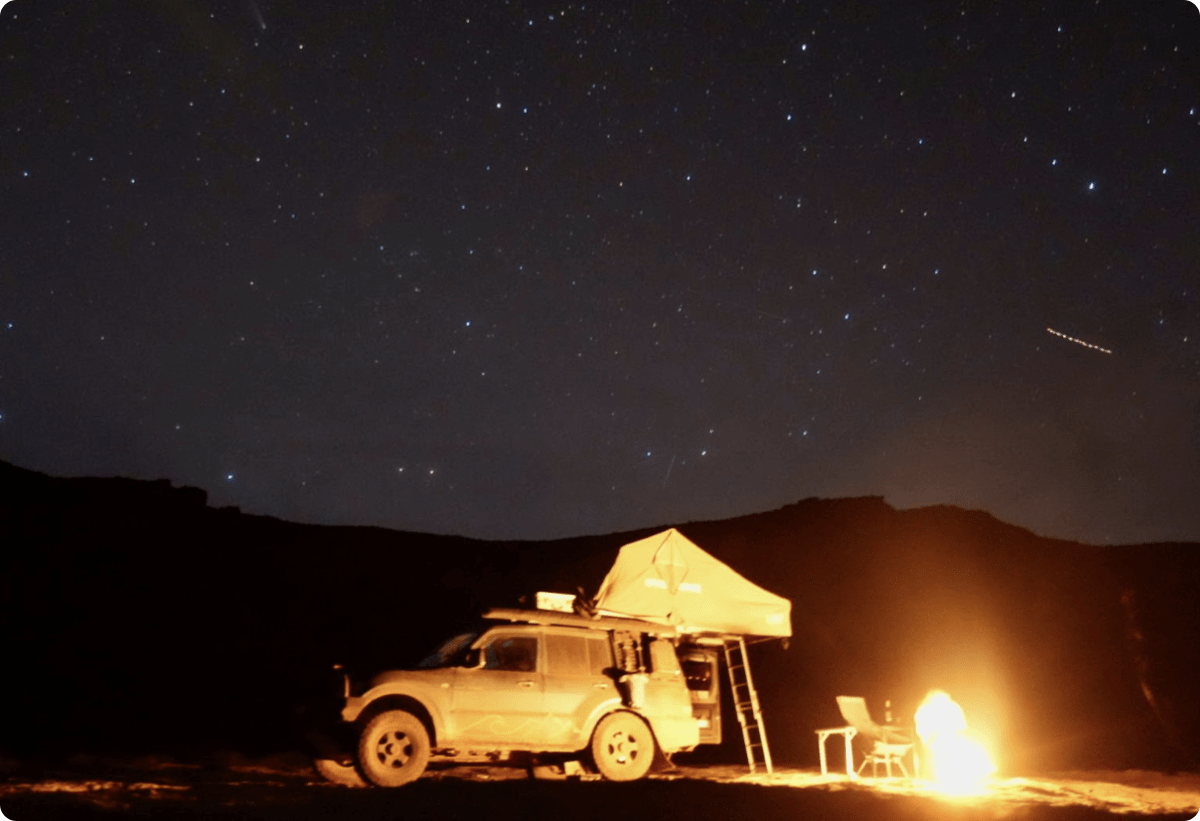
Packing for the Pan-American Highway is very different from packing for a normal road trip. Over roughly 30,000 kilometers, living conditions, climate, and infrastructure change constantly - from Arctic cold and high mountain passes to tropical heat and remote deserts. A well-thought-out packing list is therefore essential.
The goal is not to bring as much as possible, but to pack functionally, flexibly, and with some redundancy, especially when it comes to equipment that affects comfort, safety, and self-sufficiency. This packing list is based on real overland experience and focuses on what is really important when traveling the Panamericana with your own vehicle.
Camping Equipment
(Down) sleeping bag (for low temperatures at high altitudes or during winter)
Blankets (layering also makes sense when sleeping)
Sleeping mat, air mattress, etc.
Comfortable pillow
Self-sufficient cooking option (gas or gasoline) – ideally more than one, in case supplies are limited
Adapter for American gas bottles
Cooling option
Kitchen equipment
Cookware
Biodegradable dish soap
Grill or fire bowl
Power adapters
Water filter (e.g. Katadyn)
CampPilot App, to plan your route and find attractions on the way
Camping furniture
Hobby equipment (e.g. climbing rope, snorkel, etc.)
Pet equipment (e.g. crate, leash, harness, etc.)
Starlink
eSIM-capable mobile phone for additional local SIM cards
StayFree App, to find the best overnight locations
Clothing
Sturdy shoes
Rain jacket
Windproof jacket, down jacket
Sweater / fleece jacket
Long pants
(Functional) T-shirts
Underwear
Durable socks
Swimwear
Quick-drying towels
Headwear
Layering system! Avoid completely new clothing if possible. Shoes should be broken in, and rain gear should be properly waterproofed.
Tools
Axe and saw for firewood or blocked paths
Recovery boards for sand or muddy terrain
Shovel
Recovery straps rated for at least the vehicle’s weight
Well-stocked tool kit
Hammer, pliers, wrenches
Screws, seals, tape, wire
Ratchet straps, cable ties
Headlamp, screwdrivers
Fuses, spare bulbs
Additional notes:
A bit of know-how for small repairs is extremely helpful
Courage to improvise - sometimes an old fence post works just fine as a lever extension when you don’t have an impact wrench ;)
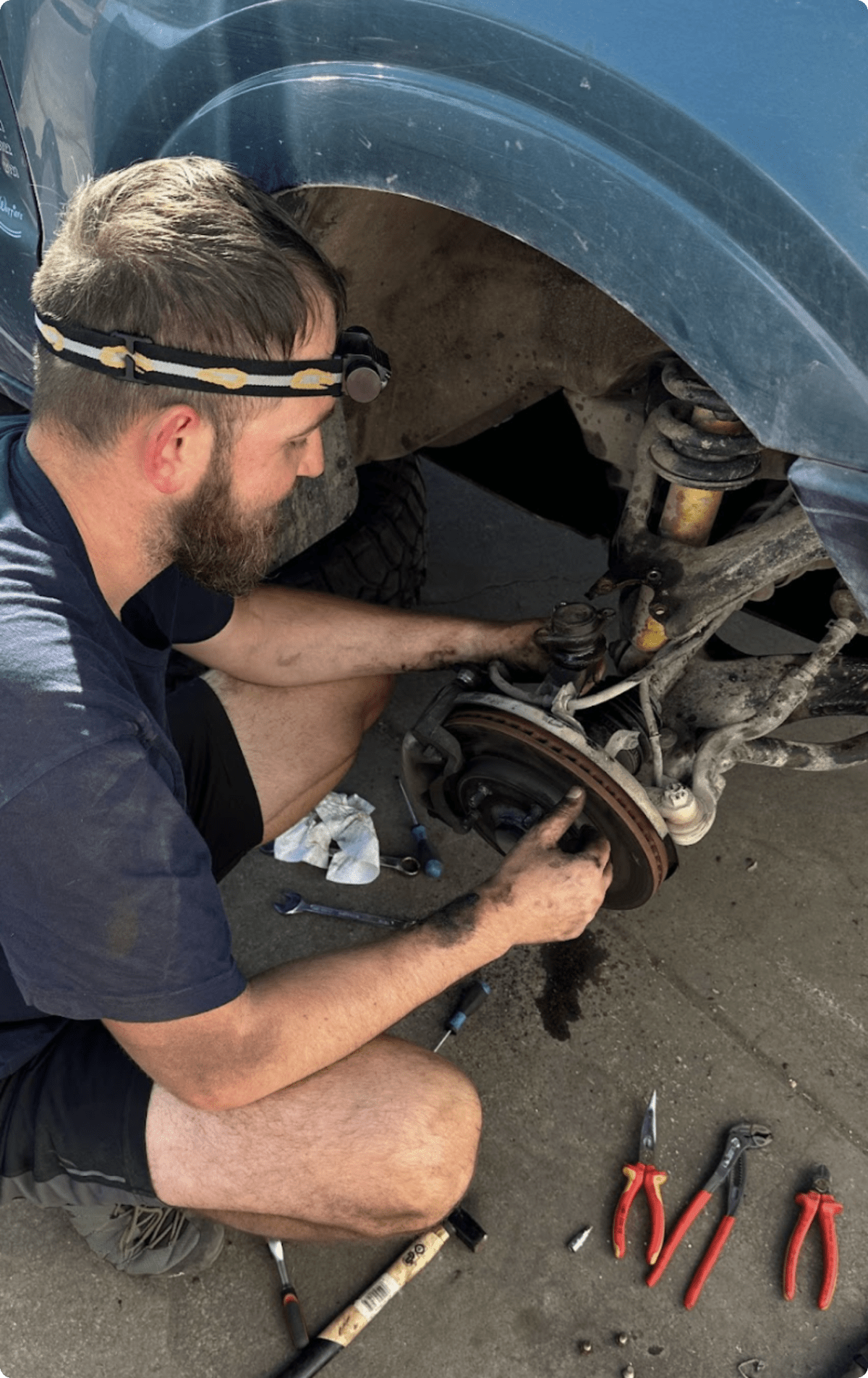
Spare Parts
If your vehicle has known wear parts, you can bring them along. Experience shows, however, that it’s usually the one part you don’t have that breaks.
Spare parts availability in North America is very good, with many specialized stores such as O’Reilly’s, NAPA Auto Parts , or Canadian Tire.
In Central and South America, spare parts stores also exist, but there are fewer large chains. Online research or asking locals usually helps.
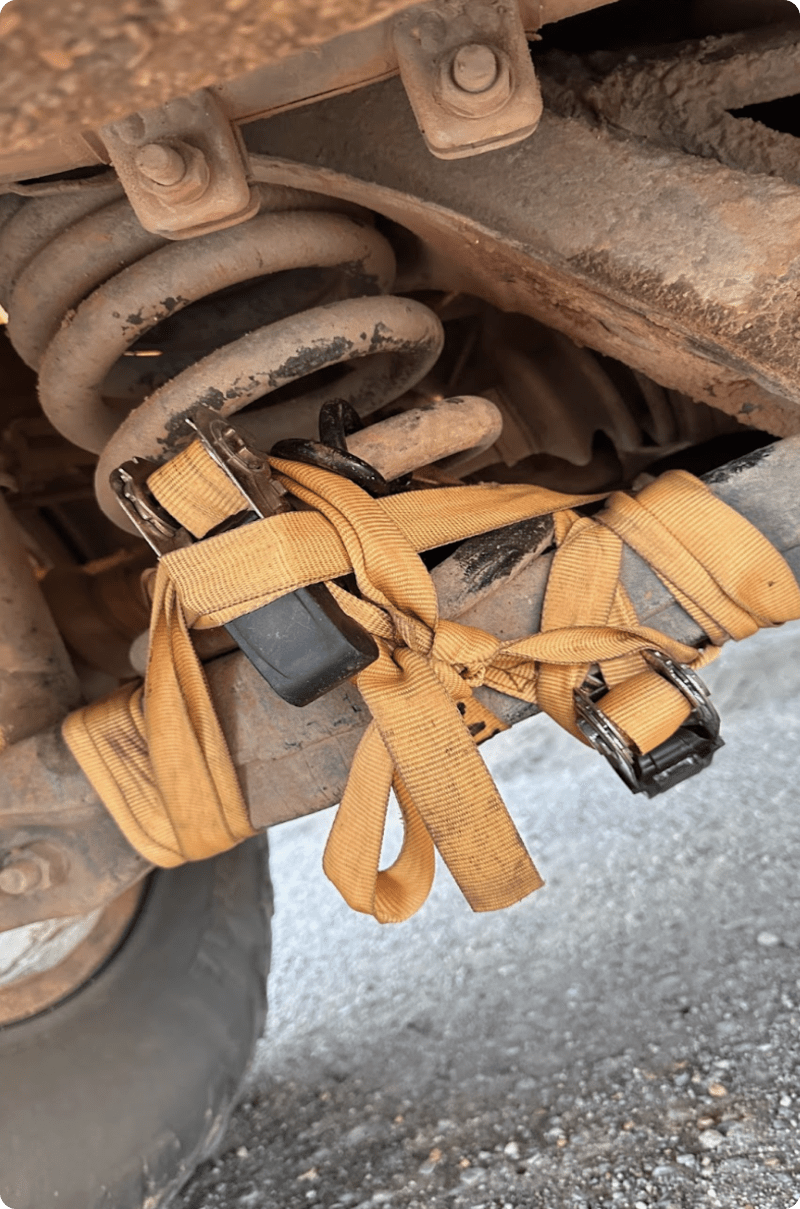
Creativity is essential here as well. On an off-road track in the middle of the Utah desert, one of our springs broke. There was no town anywhere nearby, so it had to be secured with a ratchet strap just well enough to drive about 150 km to the next larger town.
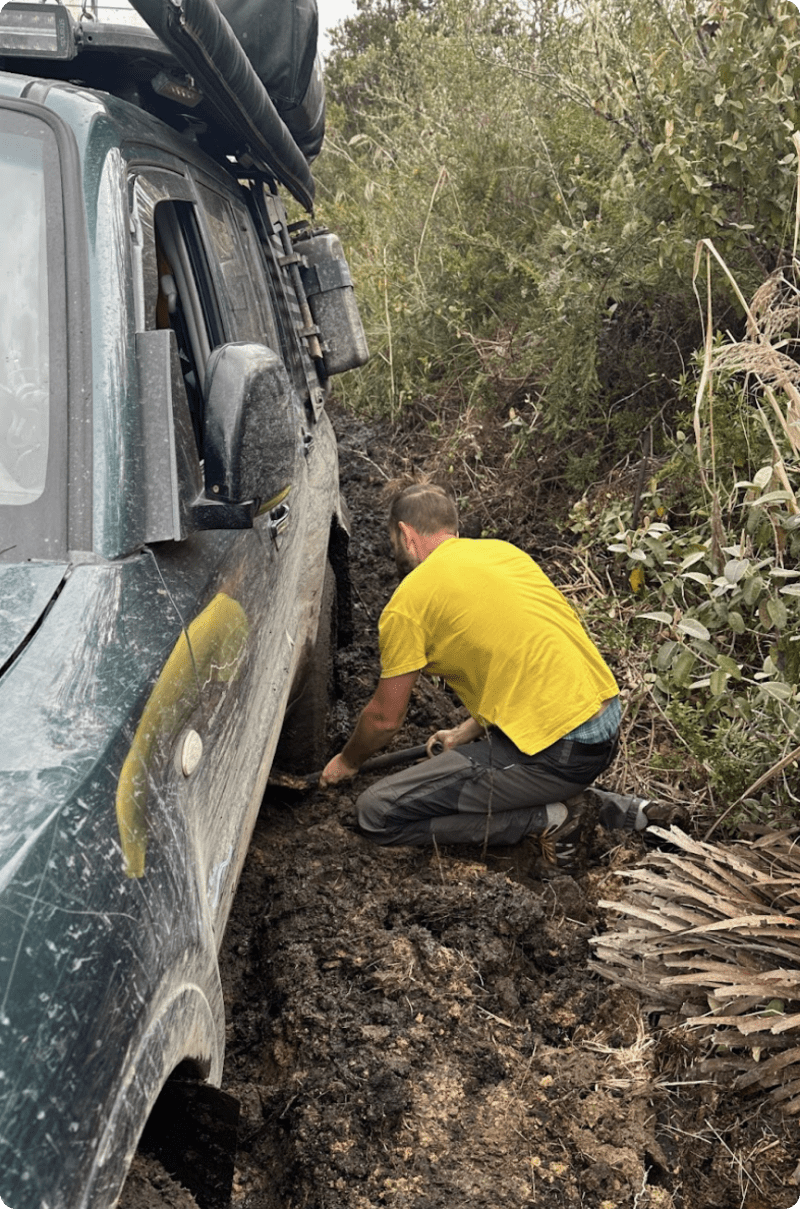
First Aid
A basic but well-equipped travel pharmacy is essential on the Pan-American Highway. Medical infrastructure and access to pharmacies vary greatly depending on the region, and being prepared can save time, stress, and unnecessary detours.
First aid kit
Wound disinfectant
Bandages, gauze, compression bandages
Adhesive bandages (various sizes)
Blister plasters
Tweezers and scissors
Painkillers
Fever and cold medication
Anti-inflammatory medication
Motion sickness tablets
Anti-diarrheal medication
Electrolytes
Documents
Passport
Vehicle registration documents
Credit cards (e.g. DKB, Revolut)
Driver’s license (international + national)
Vaccination record
Proof of health insurance
Copies of all documents in paper form and digital form
Pet passport (dogs)
Pet vaccination records
Additional Practical Tips
👉 Pack items in clearly labeled boxes or bags to avoid unpacking everything at borders or inspections.
👉 Keep important documents and valuables easily accessible but separate from everyday gear.
👉 Weight matters: too much gear affects fuel consumption, handling, and suspension over long distances.
👉 Some items will be replaced, repaired, or upgraded along the way — that’s normal and part of the journey.
Conclusion
Ultimately, the same applies here as everywhere else on the Pan-American Highway: the perfect packing list does not exist. Every Panamericana trip is unique, and many things will be adapted, replaced, or left behind along the way.
What matters most is that your equipment is reliable, fits your personal travel style, and leaves room for improvisation - because that flexibility is exactly what defines traveling the Pan-American Highway.

About the Author
Rebecca, the creator of RUMs Adventure (rumsadventure.com), is an overlander who has driven the entire Pan-American Highway from Alaska to Tierra del Fuego in her 4x4, sharing life on the road, off-road experiences, and vanlife inspiration.


.png)