
Introduction
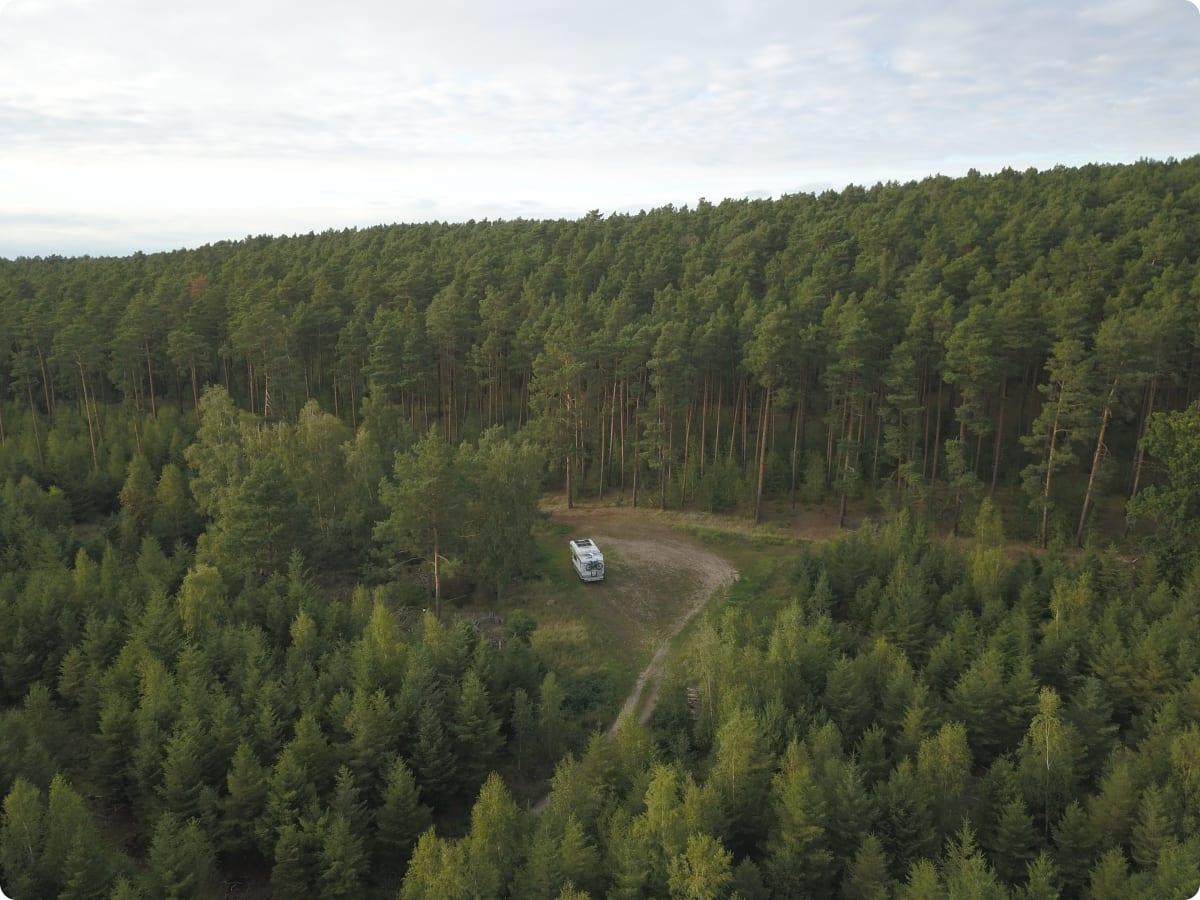
What is wild camping?
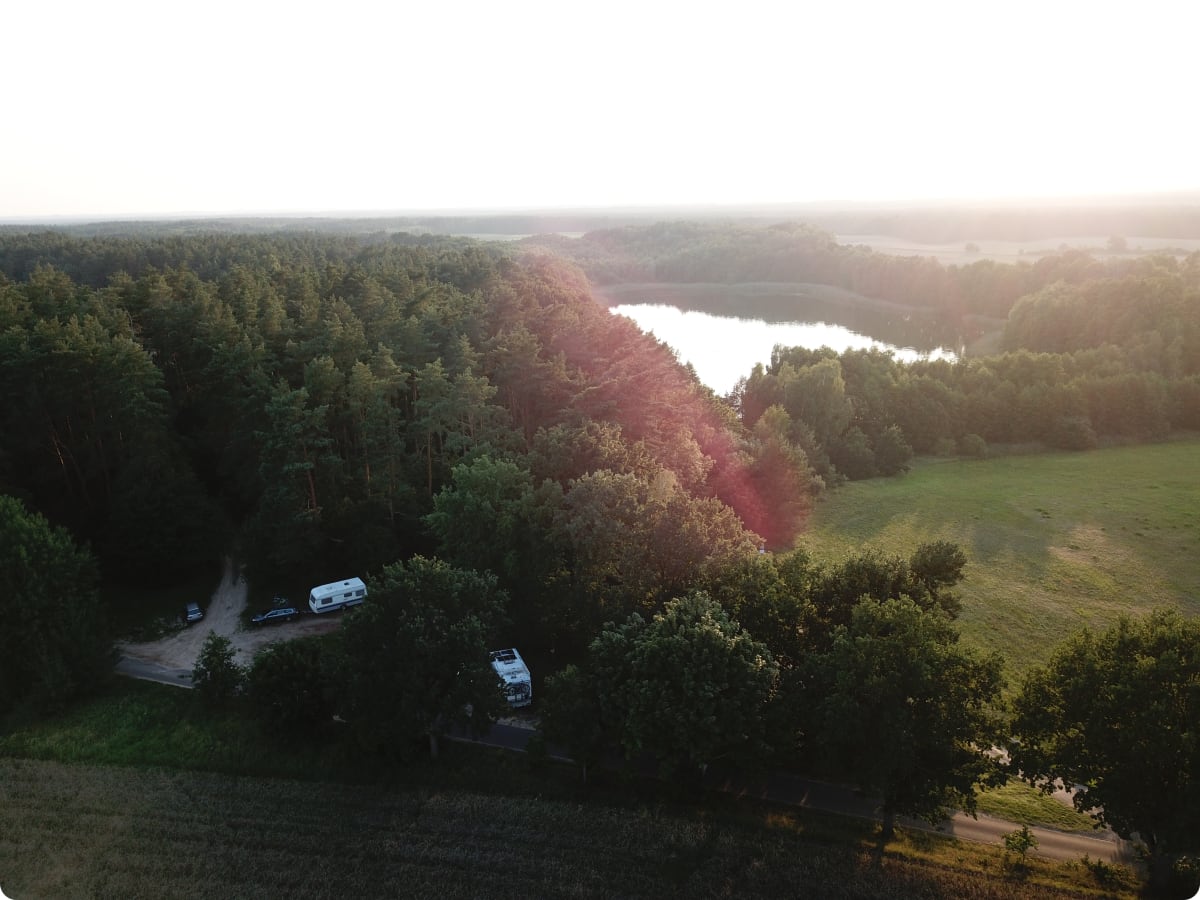
How to Camp Responsibly
Take everything you brought with you — every wrapper, every piece of trash.
Keep noise low, especially after dark.
Avoid campfires unless you're in a permitted area — wildfire risk is real.
Don't wash dishes, clothes, or yourself in lakes or rivers — even eco soap harms aquatic life.
If you don't have a toilet, dig a small hole and take your paper with you.
🚐 RV Parks in Germany
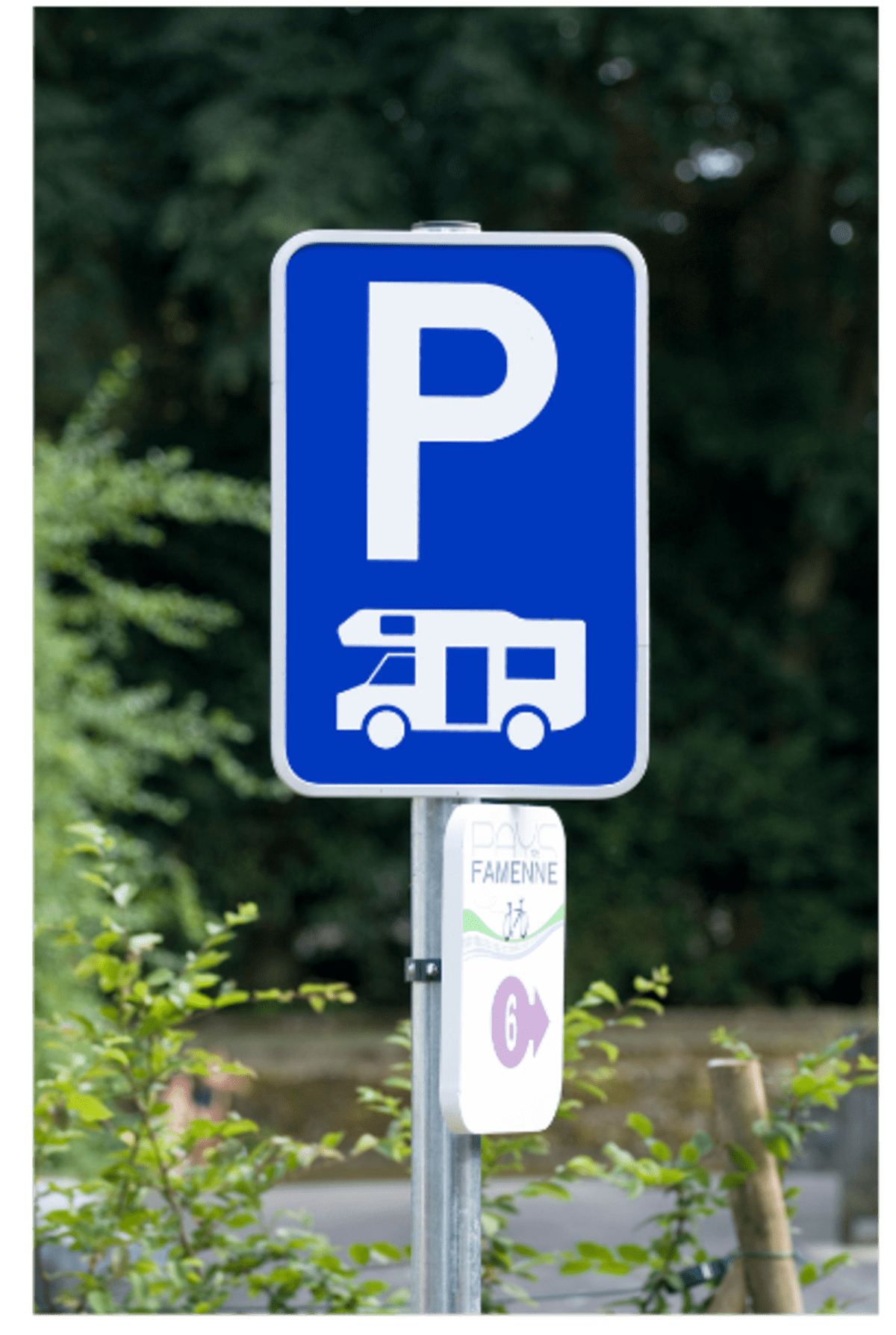
- Smaller villages often have free Stellplätze near swimming lakes or sports fields.
- Tourist towns may offer paid ones with water and power for €5–€15 per night.
- Winemakers and farms sometimes run their own Stellplätze, inviting travelers to stay overnight and taste local products.
Final Thoughts
FAQ
Is wild camping allowed in Germany?
Not officially — wild camping is generally prohibited by federal law. However, many regions tolerate overnight stays in parking areas or hiking lots if you arrive late, stay discreet, and leave early. Always avoid national parks, nature reserves, and private land without permission.
How long can I stay in one spot?
Usually, one night is tolerated — sometimes two in remote areas. Staying longer makes it look like camping rather than resting and may attract attention.
What's the best way to find beautiful and safe places to stay?
Use StayFree to find verified spots, RV parks, and microcamping areas shared by the community. The app includes filters for amenities, surface type, and surroundings — helping you camp responsibly while enjoying the freedom of the road.

About thr author
This article was written by Anna — vanlife expert and full-time traveler exploring Europe for 4 years.



.png)