

Waking up to the slow light of a Provençal sunrise or falling asleep beside a quiet river in the French countryside - wild camping in France is dreamy for a road trip vacation. But, this dream comes with rules, and understanding them makes all the difference between a peaceful night and an uncomfortable one.
This guide explains what wild camping really means in France, what is tolerated, what is forbidden, how to travel responsibly, and where to stay if you want the wild feeling without breaking the law.

What does wild camping in France?
In France, “camping sauvage” refers to setting up camp — with tents, vans, motorhomes, rooftop tents, or any outdoor equipment — outside of official sites. For this article we focus only on motorhomes and campervans, because the regulations for tents are far stricter.
The law draws a clear line between camping and parking while sleeping inside your vehicle. The moment you place a table outside, swing out an awning, or settle in for several days, you are camping. Camping outside designated zones is restricted, and often completely prohibited in sensitive areas.
However, parking and sleeping in your motorhome without setting anything up outside is generally treated differently. It is often seen as simply “resting,” especially if it is for a single night, if you arrive late, and if you leave early. Many villages and rural communities accept this, even if they don’t officially advertise it.
Still, certain places remain entirely off-limits. National parks, nature reserves, coastal dunes, and beaches have strict protections. Authorities patrol regularly, especially in summer, and fines can be substantial — up to €1,500 in some protected zones. Always respect signage, local rules, and environmental restrictions.
France is a mix of different landscapes and local regulations. Staying flexible and adjusting to local expectations is essential. What is tolerated in the quiet interior of the Dordogne may be forbidden on the crowded Mediterranean coast.


High Season in France — and why timing matters
The busiest period in France runs from late June through the end of August. This is when French families take their annual holidays, campgrounds are full, coastal towns overflow, and rules are enforced with much more intensity.
If your goal is to experience quiet overnight spots, you should avoid attempting wild or semi-wild stays in July and August. Coastal areas introduce seasonal bans, mountain regions see heavier ranger presence, and even inland villages often prohibit overnight parking to keep traffic manageable.
Spring and autumn are far more relaxed times to explore France. In April, May, September, and October, you’ll find empty village squares, peaceful forest parkings, and a general sense of calm that suits motorhome travel far better. You can enjoy the landscapes without the pressure of crowds, and overnight stays — while still requiring discretion — feel more natural and welcome.
During the high season, visiting France’s wonderful campsites is a pleasure, not a compromise. Many are beautifully located beside lakes, in forests, or near the sea, and offer shade, swimming areas, local produce stands, and a relaxed holiday atmosphere. In summer, they are often the most enjoyable and stress-free way to stay.
Safety in France — choosing the right place to sleep
France is generally a safe country. But a few common-sense habits make your trip even smoother.
The safest places to sleep are usually small villages, rural parking areas, lakesides, quiet spots in nature, and official Aires de Camping-Car. These locations see respectful travelers every night and are often maintained by local communities who appreciate motorhome visitors.
In contrast, you should avoid parking in large cities and leave your car unattended. Urban parking lots can attract noise, late-night activity, or simply feel uncomfortable. Cities like Marseille, Paris, or Nice are wonderful to visit during the day, but it’s usually better to sleep outside the city and take public transport in.
It’s also best to avoid motorway rest areas for overnight stays when possible. While they are legal for resting, they are busy, brightly lit, and sometimes attract opportunistic theft — especially in the sections dedicated to long rows of motorhomes and lorries. They’re fine for a quick nap, but not ideal for a full night.
Drive a bit further, find quiet parking in the nature. Choose locations that feel calm, look clean, have other travelers around, and are away from major roads. Trust your intuition — if a place feels wrong, it usually is. France offers so many alternatives that you never need to force a bad overnight spot.
If you rely on an app like StayFree, you’ll find community-checked locations where others have slept respectfully, along with notes about noise, regulations, and services. This helps both you and the places you visit remain harmonious.
How to camp responsibly
Traveling with a motorhome in France comes with a responsibility to protect the landscapes you enjoy. Nature reserves, rural farmland, forests, and small villages are sensitive to misuse, and France takes environmental protection seriously.
Discretion is your friend. Arriving late in the evening and leaving early in the morning helps you blend in and keeps overnight spots peaceful for everyone. Making noise, staying several nights in the same place, or spreading out your belongings quickly turns a tolerated overnight rest into an illegal campsite.
Fire risk is also a major concern. Much of southern France becomes extremely dry in summer, and even small sparks can cause devastating forest fires. Never light fires, and be cautious with stoves. Dumping greywater or leaving any waste behind is strictly forbidden. Always use official dump points, which are abundant at Aires de Camping-Car and many supermarkets.

RV Parks in France - ''Aires de Camping-Car''
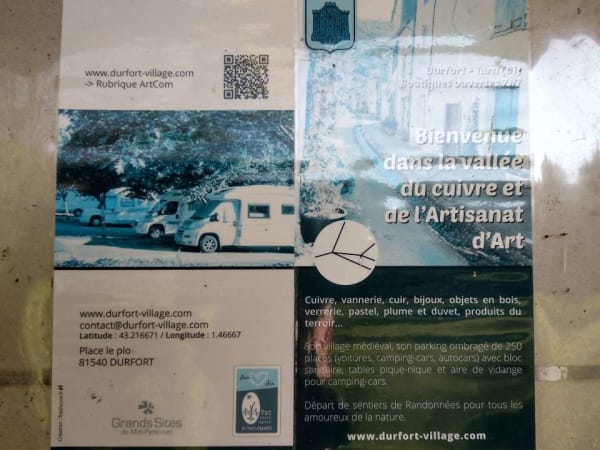
One of the greatest joys of traveling France in a motorhome is discovering its incredible network of Aires de Camping-Car. These municipal or private motorhome areas offer a perfectly legal, low-cost — and often free — alternative to wild camping.
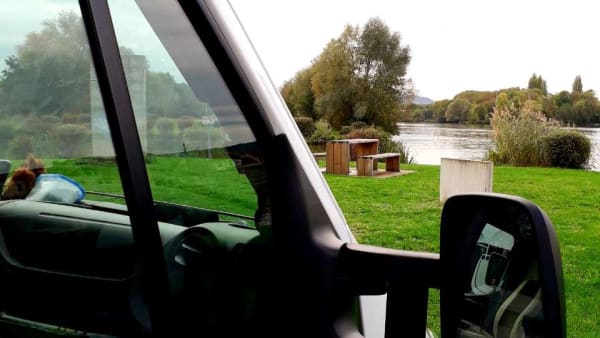
A simple gravel or paved spot is usually all you get, but that’s exactly why these areas work so well. Most have fresh water and dump stations. Many offer electricity. Some are directly on riverbanks or next to historic villages. Others sit by beaches, marinas, vineyards, or small-town markets.
Small rural aires are often completely free, financed by the local community in exchange for the economic boost motorhome travelers bring. Tourist towns may charge a modest fee, usually between €5 and €15 per night, which still keeps travel affordable. Wineries and farms sometimes provide overnight spots in exchange for tasting their products — a wonderful way to discover France’s local specialties.
These places give you everything you need when you want to recharge — literally and figuratively. They offer legality, safety, the comfort of basic services, and often the chance to meet other travelers.
StayFree helps you discover these aires effortlessly, giving you the freedom to roam while always staying within the law and the expectations of local communities.
Final Thoughts
Wild camping in France can be a beautiful experience when done with respect, awareness, and care. While true wild stays are restricted, France offers countless opportunities to spend the night close to nature — especially outside the high summer season.
Avoid national parks, beaches, and protected areas, and be cautious in big cities and motorway rest zones. Instead, embrace small villages, mountain valleys, rural lay-bys, and — most importantly — the expansive system of Aires de Camping-Car that France is famous for.
If you travel discreetly, stay only one night in informal spots, and always clean up after yourself, you’ll find France incredibly welcoming. Combined with the help of StayFree, you can enjoy peaceful overnight stays, vibrant landscapes, and the freedom of the open road — all without leaving a trace behind.
FAQ
Is wild camping allowed in France?
Not officially. Wild camping is regulated and restricted. But sleeping inside your motorhome without setting up camp is often tolerated for a single night in rural or village parkings.
How long can I stay in one place?
Just one night. Longer stays are viewed as camping and may result in enforcement.
When is the best time for discreet overnight stays?
Spring and autumn. July and August are crowded and heavily regulated, making campsites and aires the best option.
What’s the safest way to find overnight spots?
Use StayFree to find recommended, legal, and community-reviewed aires, microcamping spots, vineyards, and quiet parkings — avoiding big cities and busy motorway rest areas.

About the author
This article was written by Anna — vanlife expert and full-time traveler exploring Europe for 4 years.



.png)