
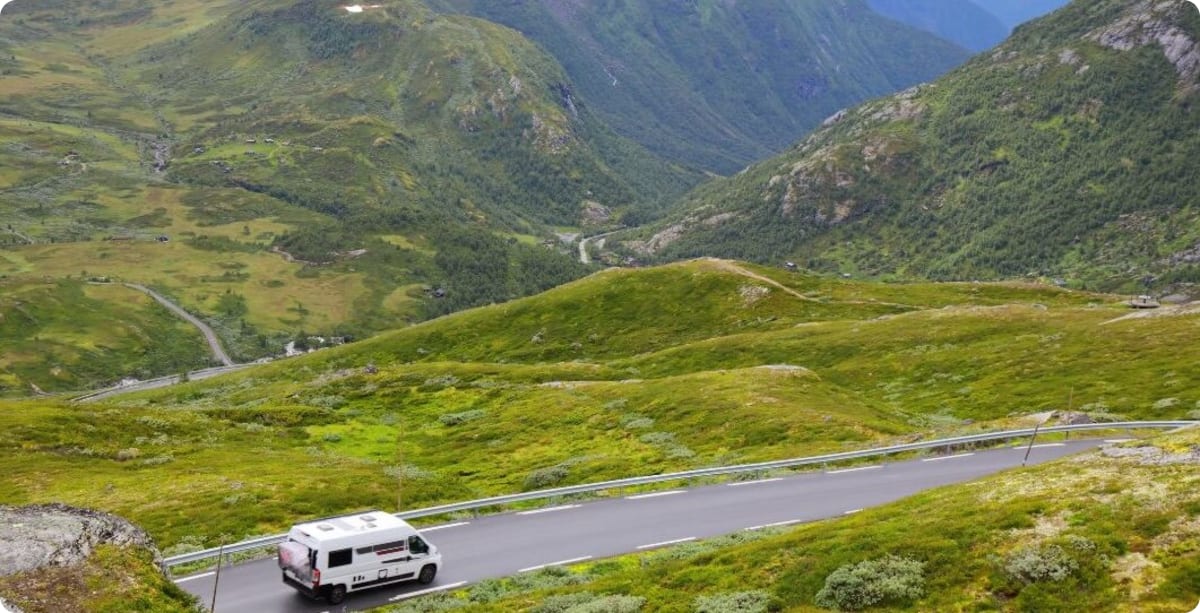
How wild camping really works here
Follow these golden rules
Leave the place as clean as you found it.
Don't disturb wildlife; avoid noise and open fires.
Dispose of grey water at designated stations.
Be considerate of residents and fellow campers.
Support local tourism — shop local, pay fees where required.
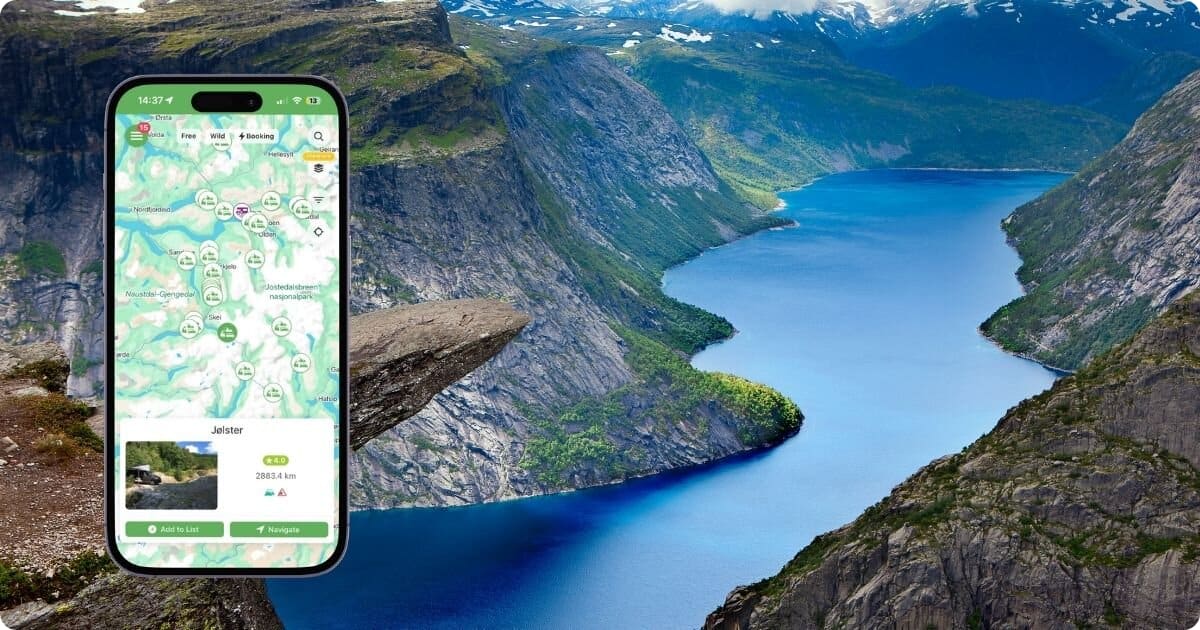
Camping in Southern Norway
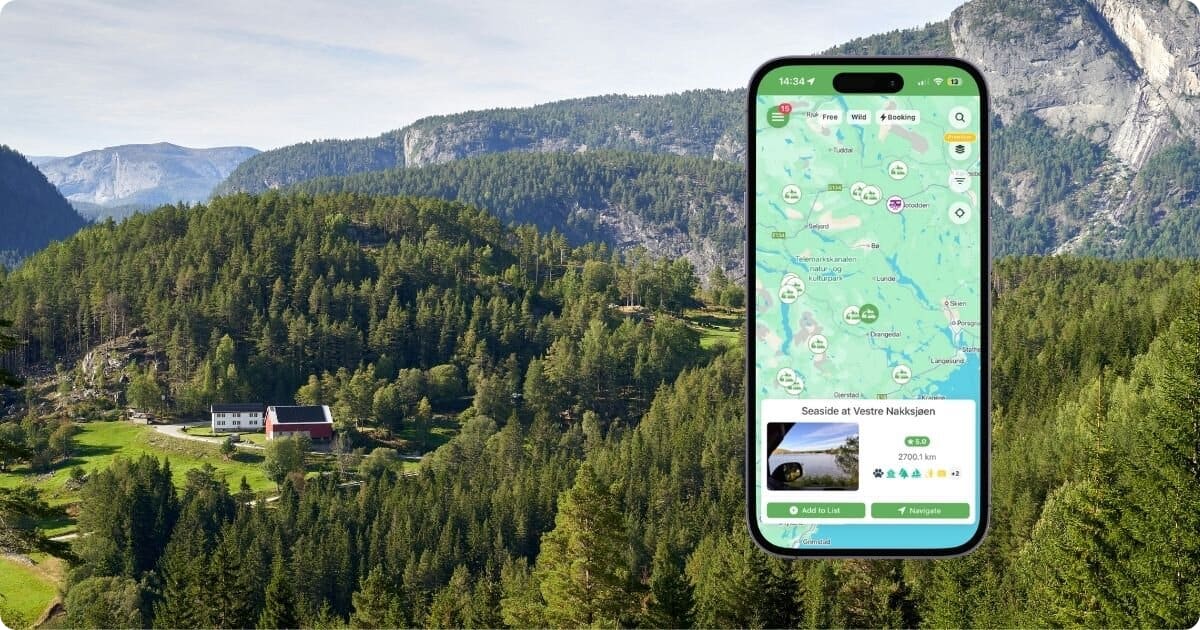
Central and Western Norway
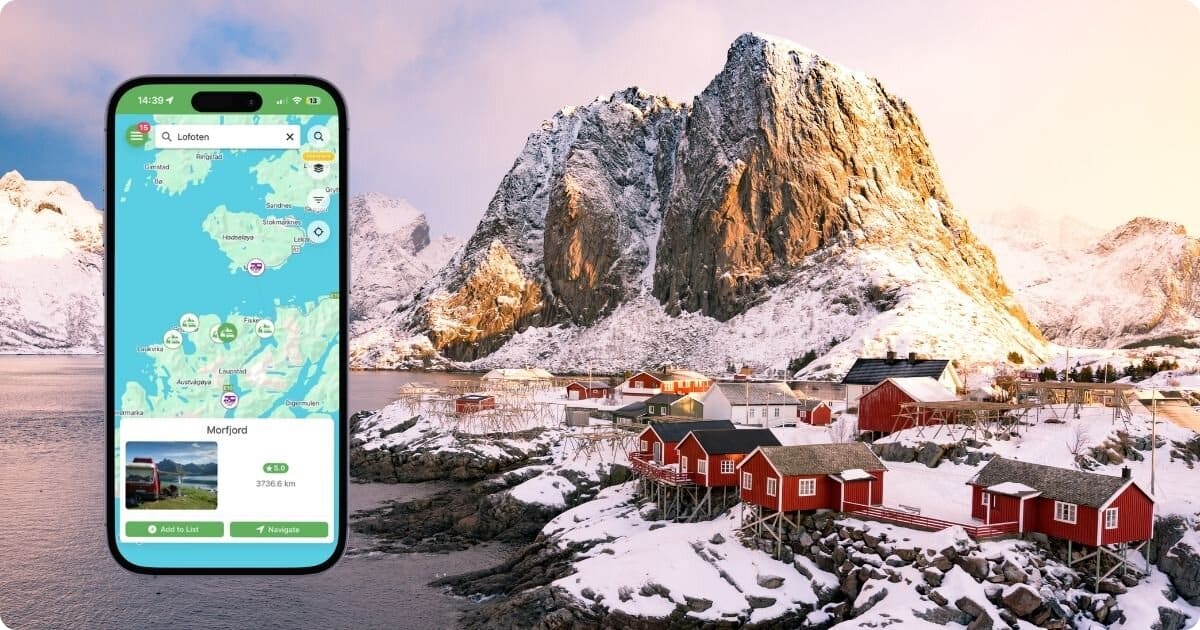
Northern Norway & the Lofoten
What you should bring
- Warm, waterproof clothing and sturdy shoes
- Headlamp or small lantern (especially in autumn)
- Power bank or solar charger (no electricity in remote areas)
- Mosquito repellent (especially at lakes and in the north)
- Small shovel and toilet set (for wild toilets away from water)
- Spirit level (for level parking in the mountains)
- Extra supplies — distances between shops can be large
Final thoughts
FAQ
Is wild camping in Norway allowed?
Yes — for tents and non-motorized travelers, the allemannsretten applies. For campervans and motorhomes, it's not an automatic right, but it's often tolerated if you act responsibly.
Can I wash in lakes or rivers?
No. Even biodegradable soap pollutes the water. Instead, use a bucket and dispose of the water in the ground — away from water bodies.
When is the best time for wild camping?
From May to September. In July and August, you'll experience the midnight sun in the north, while May and September are quieter and cooler.
Where can I dispose of grey water or sewage?
At official disposal stations and bobilplasser, which you can find in the StayFree app.
Is wild camping in Norway safe?
Yes, Norway is considered very safe. Be careful in remote areas, check the weather forecast regularly, and avoid cliffs in wind or valleys with flood risk.

About the author
This article was written by Anna — vanlife expert and full-time traveler exploring Europe for 4 years.


.png)