

Spain is one of Europe’s most popular countries for vanlife. Good weather, long coastlines, and a strong network of motorhome areas make it easy to travel by van or motorhome. That said, wild camping works a little differently here than many expect. Knowing what’s tolerated and where to stop makes the difference between a relaxed night and unnecessary trouble.
What does wild camping mean in Spain?
Wild camping - or “acampada libre” - is generally not allowed in Spain. The key question is whether you “extend” your vehicle into the outside space. If you take out chairs, roll out the awning, set up a table, or stay several nights, then you are clearly camping - and that is prohibited almost everywhere outside official campsites.
However, what is often tolerated is parking and sleeping inside your vehicle for one night, as long as you show absolutely no camping behavior. If you arrive in the evening, sleep inside the vehicle, and leave again early in the morning, many municipalities consider this simply “resting.” It is not an official right, but in practice it works surprisingly well — especially during the off-season and away from heavily touristed areas.
Beaches, dunes, national parks, and other sensitive natural zones are strict no-go areas. Enforcement is tight, and fines can be high.
The best time to travel
While France and Germany are mainly summer destinations, Spain has a special advantage: winter is the best time for vanlife.
Between October and April, temperatures are mild, the atmosphere is relaxed, and the whole country is far quieter than in the hot summer months. Local communities tend to be more welcoming, controls are more relaxed, and demand for parking space is much lower. Campsites are open, peaceful, and often cheaper.
High season — July and August — looks totally different. Coastal areas are crowded, heat and wildfire risk are high, and many municipalities introduce seasonal bans for overnighting in motorhomes. If you want to stay semi-wild, avoid these months and rely on official motorhome areas instead.
Popular regions for campers
Spain’s landscape can be roughly divided into three types: long coastlines, mountainous inland areas, and green northern regions. Not all of them are suitable year-round, but each offers beautiful places to stay — especially if you use Áreas de Autocaravanas or choose small rural parking areas.
Spain offers both coastal routes and mountain scenery, quiet villages and vibrant cities. But for a peaceful night, it’s best to avoid big cities and instead head to smaller towns, which tend to be more relaxed and often have dedicated motorhome areas.
Safety when overnighting
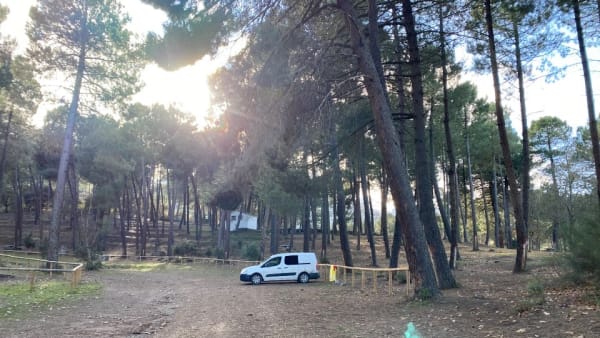
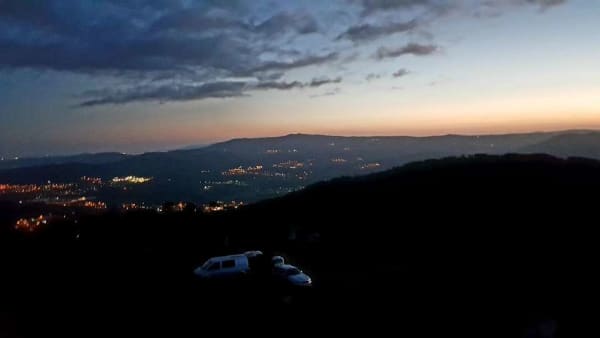
Spain is generally a safe country to travel through, but some places are simply better suited for overnight stays than others. The calmest nights are usually found in small towns, rural parking areas, near nature spots, or on official motorhome areas.
Avoid sleeping on motorways and large service areas. While stopping there is technically allowed for short breaks, they are noisy, brightly lit, busy throughout the night, and not designed for a good night’s rest. Motorway areas are also more prone to petty theft, especially in sections used specifically by motorhomes.
For peace of mind, choose quieter locations and take a few simple precautions. A small security camera that you can activate when you leave the vehicle can be useful. In smaller towns or villages, it’s perfectly fine to ask nearby residents or shop owners if it’s okay to park for the night or if they can keep an eye on your van.


Motorhome Areas – Áreas de Autocaravanas
One of the biggest advantages for travelers in Spain is the large number of official Áreas de Autocaravanas. These are the Spanish version of Stellplätze in Germany or Aires in France.
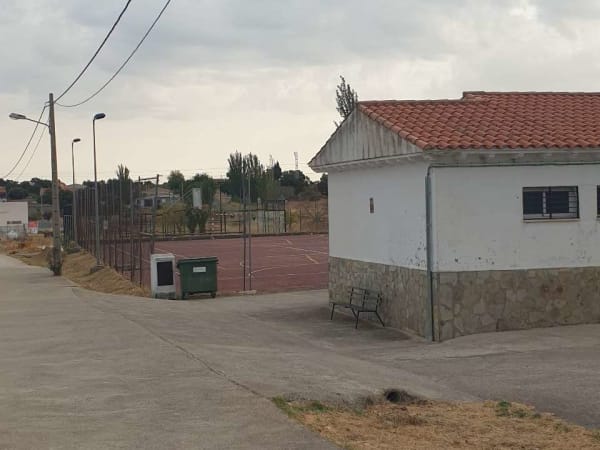
They can be found in cities, villages, at beaches, near harbors, and in the countryside. Many offer fresh water, waste disposal, and sometimes electricity. Some are free, others cost just a few euros. They are legal, safe, and an excellent alternative to wild camping — especially in regions with strict enforcement.
Private operators also offer more and more of these areas, often with extra comfort: shade, fast Wi-Fi, laundry facilities, or small cafés. They are great for longer stays or as a base for exploring.
With StayFree, you can easily find these spots and see what other travelers have experienced there.
Responsible vanlife
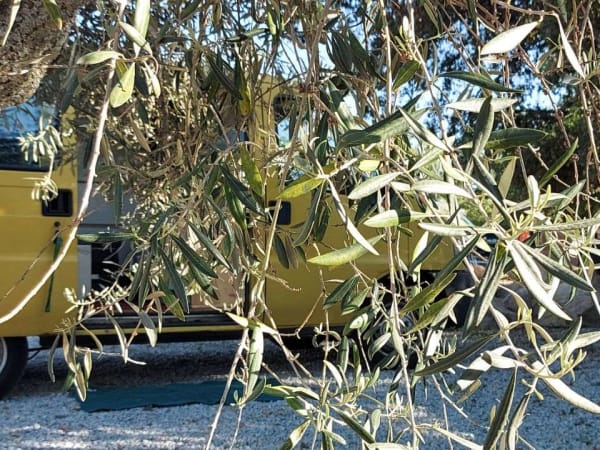
For tolerated overnight stays to work, respect is essential. Stay only one night, arrive late, leave early, and leave the place cleaner than you found it. Collecting and taking your rubbish with you should be obvious — and is greatly appreciated in rural regions.
Support local people whenever you can: grab a coffee in town, shop at the local supermarket, buy fresh bread from the small bakery. For many small villages, this is a sign of respect and a direct contribution to their local economy.
The more discreet, tidy, and friendly you are on the road, the more places you’ll find where a peaceful night is no problem at all.
Conclusion
Winter is ideal for traveling, official Áreas are plentiful, and rural communities often welcome motorhome travelers. With a little respect, common sense, and the help of StayFree, you’ll quickly find safe, beautiful overnight locations where you can enjoy the freedom of the road without risking trouble.
FAQ
What is the best season for traveling?
Winter and the off-season are ideal. Between October and April, the climate is mild, towns are calm, and enforcement is more relaxed. You should avoid July and August if you want to overnight outside campgrounds.
Are coastal areas good for overnighting?
During the day, yes; at night, usually not. Many coastal towns prohibit overnight stays due to environmental and fire safety reasons. Inland areas, small villages, and official motorhome sites are far better options.
What are Áreas de Autocaravanas?
Official motorhome areas with fresh water, waste disposal, and sometimes electricity. Many are free or low-cost and offer a perfect legal alternative to wild camping.
How do I find good places to stay?
StayFree helps you discover community-recommended spots, official motorhome areas, private Áreas, and quiet parking places. Reviews help you choose safe and pleasant overnight spots.

About the author
This article was written by Anna — vanlife expert and full-time traveler exploring Europe for 4 years.



.png)