

Wild camping in the UK is a topic surrounded by confusion, local rules, and mixed opinions. Unlike Scotland, where outdoor access feels deeply rooted in the culture, England, Wales, and Northern Ireland follow a patchwork of regulations that can change from one village to the next.
Still, the UK remains a fantastic destination for vanlife and slow travel: dramatic coastlines, remote moorlands, national parks, and countless quiet country roads. With the right mindset, good planning, and a strong respect for locals and nature, overnight travel is not only possible — it’s deeply rewarding.
This guide explains what’s legal, what’s tolerated, and how to travel responsibly, while showing how StayFree helps you find safe, respectful overnight spots across the UK and beyond.
The reality of wild camping in the UK
Unlike many European countries, the UK has no single national law that clearly defines where you can or cannot sleep overnight in a vehicle.
The key difference is not sleeping - it’s how you park and behave.
Parking vs camping: the crucial distinction
Parking means staying inside your van without setting anything up outside
Camping means chairs, BBQs, tables, generators, or levelling ramps
Most restrictions target camping behaviour, not quiet overnight parking. However, local councils can still restrict overnight stays using:
Traffic Regulation Orders (TROs)
Local bylaws
Clear signage (“No Overnight Parking”, height barriers, time limits)
This means legality depends heavily on location, signage, and land ownership.

Wild camping by country
Scotland – the exception
Scotland remains the most vanlife-friendly part of the UK. While the Right to Roam does not legally apply to vehicles, overnight parking is widely tolerated if done responsibly.
Some areas (like Loch Lomond & The Trossachs National Park) have seasonal byelaws requiring permits.
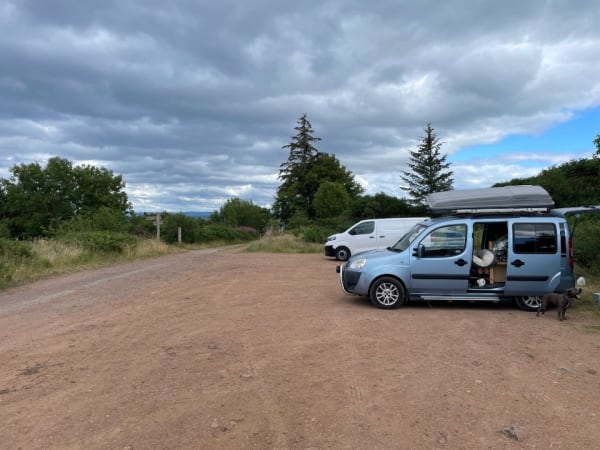
England & Wales – case by case
There is no law banning sleeping in a motorhome, but overnight stays can be restricted locally. Coastal towns, tourist hotspots, and national park car parks are more likely to have enforcement.
In rural areas, quiet overnight parking is often tolerated if:
There is no signage
You arrive late and leave early
You don’t attract attention
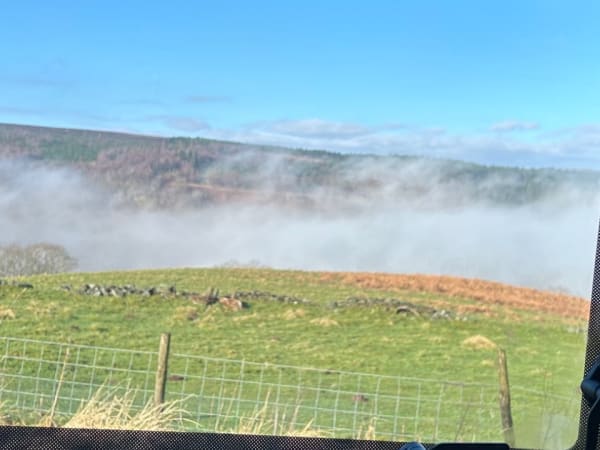
Where wild camping actually works in the UK
Good options include:
Forestry and hiking car parks (often tolerated for one night)
Remote lay-bys away from houses
Community or village car parks with donation boxes
Farm stays or micro-camping spots
Pub stops (with permission)
Simple coastal pull-offs outside peak season
👉 Explore camping spots in the UK: https://www.stayfree.app/en/campspots/united-kingdom-camping-spots/
This is where local knowledge matters most - and where apps like StayFree become essential.
StayFree is a camping and vanlife app built for people who love adventure on four wheels 💚
With 100,000+ locations worldwide, StayFree helps you find:
Quiet overnight parking spots
Semi-wild locations
Farms, pub stops, RV parks
Community-approved stays
Each spot includes photos, and eviews - helping you avoid sensitive areas and choose places where overnight stays are known to work.
💚 A responsible community 💚
Our community follows one simple principle: Leave every place better than you found it.
That’s why StayFree includes a cleanup feature, allowing users to:
Make cleanups at the spots where they sleep, to motivate others to do the same

The golden rules for wild camping with a van in the UK
Choose your spot carefully
Park on hard ground (gravel, tarmac)
Avoid farmland, soft grass, and private driveways
Never block gates, roads, or passing places
Always check for signage
Keep everything inside
No chairs, no awnings, no outdoor cooking. If it looks like camping, it usually isn’t welcome.
Manage waste properly
Never empty grey or black water outside
Use official service points
Take all rubbish with you
Respect locals and wildlife
Keep noise low
Avoid fires
Keep dogs under control

Facilities & infrastructure
The UK has an excellent network of:
Motorhome service points
Community-run aires
Simple paid overnight stops (£5–£15)
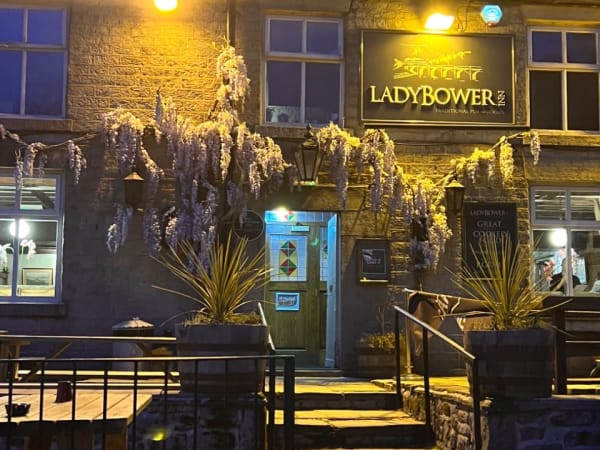
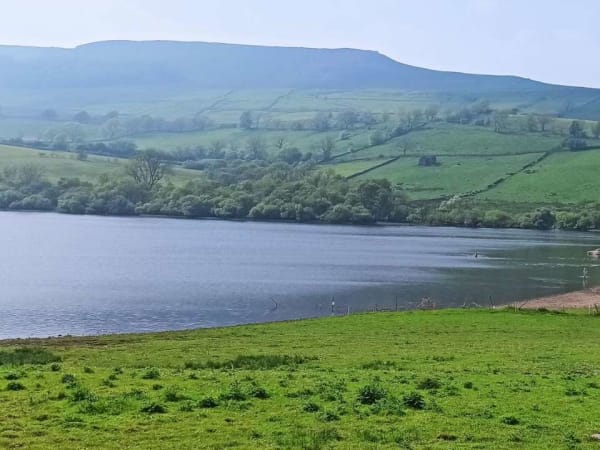
Some great paid overnight stops:
Safety & preparation
The UK is generally very safe, but:
Some areas are extremely remote
Fuel stations can be far apart
Weather changes quickly
Always:
Carry extra water
Keep warm clothing (even in summer)
Check weather forecasts
Let someone know your route if heading off-grid
And yes - bring insect repellent. Midges and mosquitoes can be brutal in warmer months.
Wild camping in the UK isn’t about claiming space - it’s about borrowing it respectfully.
If you travel quietly, stay informed, and follow local rules, the UK offers countless unforgettable overnight experiences: cliff-top sunsets, misty moorlands, forest mornings, and empty coastal roads.
FAQ
Is wild camping with a van legal in the UK?
There is no nationwide ban, but legality depends on local rules, signage, and behaviour.
Where is it easiest to wild camp in the UK?
Scotland, rural England, Wales, and remote coastal areas outside peak season.
How long can I stay in one place?
Stay one night only. Staying longer increases the risk of enforcement.

About the author
This article was written by Anna - vanlife expert and full-time traveler exploring Europe for 4 years.



.png)