
Understand the legal landscape
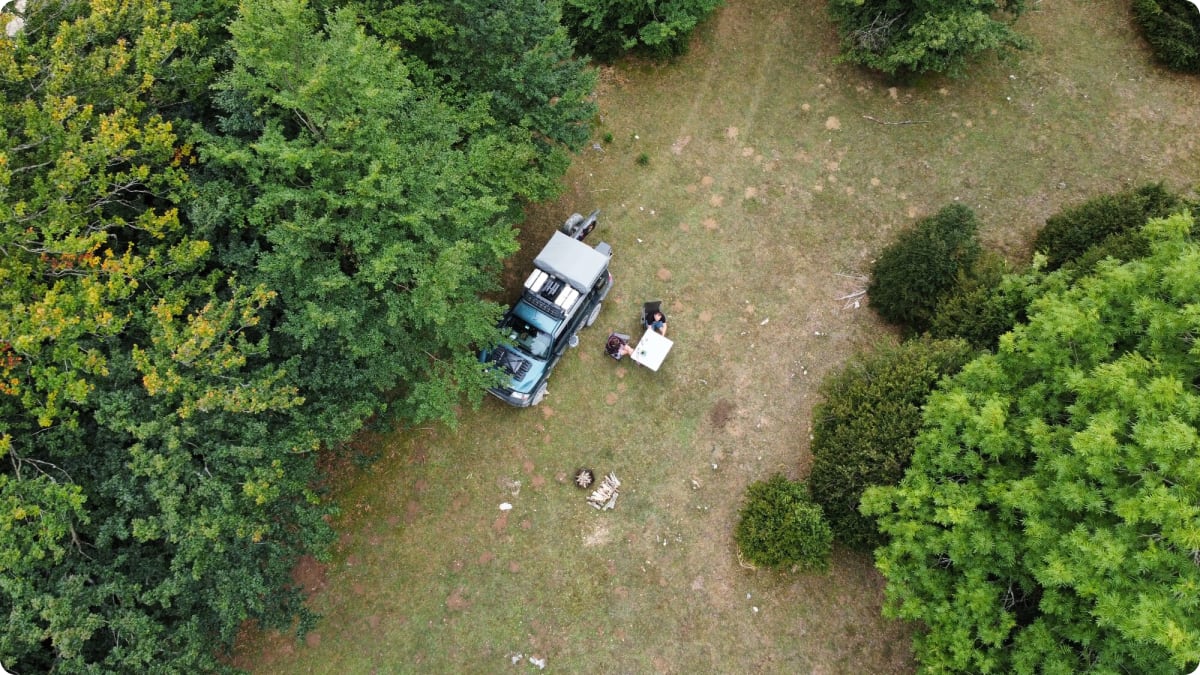
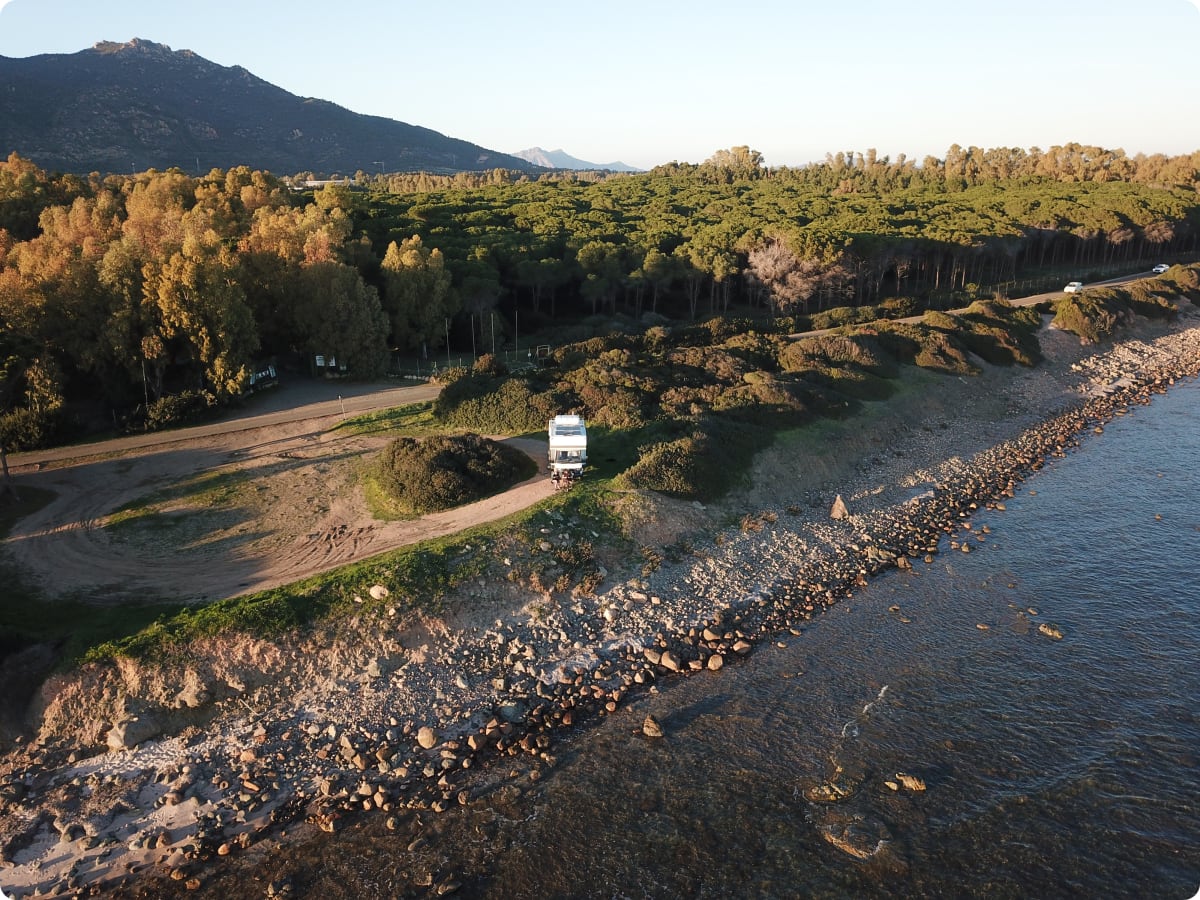
Wild camping is, for many, the true essence of vanlife. It means being close to nature — waking up to the sound of wind in the trees, birds greeting the sunrise, and the calm of a lake or mountains just outside your door. Far from crowded campsites, it’s about slowing down, breathing deeply, and feeling the freedom of the open road.
What is wild camping?
Wild camping means staying overnight outside of official campsites — in nature, in the forest, next to lakes, or by remote trails.
The golden rules of wild camping
1. Choose Your Spot Wisely
- Before choosing the spot, read the reviews and check the photos in StayFree
- Stay some meters away from houses
- Always check the ground before parking — it can be muddy or misty, and you don’t want to get stuck.
- Pick places where you can leave no trace — no damage, no waste.
- Do not camp in the high touristic areas in the high season
- Do not camp in the national parks
2. Fires Only When Allowed
Make a campfire only if it’s permitted and conditions aren’t too dry. Use existing fire pits when possible and always extinguish completely.
3. Don’t Stay Too Long
The rule of thumb: 1–2 nights in the same spot, unless you have permission to stay longer. Move on, and let others enjoy the same place.
4. Leave No Trace — or Better Yet, Make It Better
Take all your trash with you — and if you find any left behind, pick it up. Many vanlifers love the idea of Clean-Up in StayFree — leaving nature cleaner than they found it.
5. Toilet Etiquette in Nature
If you need to go to the toilet in the forest, dig a small hole at least 20 cm deep and do not leave toilet paper behind — take it with you in a bag. Never wash dishes, clothes, or yourself directly in lakes or rivers, even with ‘biodegradable’ products. They still harm the fragile ecosystem.
6. Traveling With Dogs
Keep your dog on a leash in nature areas. Wildlife is sensitive, and some regions have strict leash laws to protect it.
7. Be Quiet, Stay Kind
Nature has its own soundtrack — waves, wind, birds. Don’t cover it with loud music or noise. Be mindful of other travelers who may be resting nearby.
8. Respect People, Animals & Nature
Keep noise down, especially at night. Don’t disturb wildlife or block access roads or paths. Use eco-friendly products and keep lights minimal after dark.
9. Always check the weather forecast
- Avoid cliffs or open ridges if it’s windy.
- Don’t park on wet grass or muddy ground if rain is expected.
- Never park under trees during a storm or strong wind.
10. Find your spot before it gets dark
Start looking for a place to stay at least 1–2 hours before sunset. It’s easier to see the surroundings, find level ground, and make sure the area is safe and respectful. Arriving early also lets you enjoy the golden hour instead of searching in the dark. Always see your position on the map so that in case of any emergency you know how to leave the place. If possible, position yourself so you can drive away quickly.
🎒 Packing list for free camping
Water & food supplies
Stove & cooking gear
Reusable bottles & trash bags
Light source (torch or head torch)
Washing line for drying clothes or towels
Spirit level to park and sleep on flat ground
Basic toolkit, spare fuse, tire repair kit
First-aid kit
Reflective vest & warning triangle
Wild camping isn’t just a way to travel — It’s about freedom with respect, adventure with awareness, and finding beauty in simplicity. Before you settle down, check the weather, choose your spot early, and take a moment to look around. If you travel responsibly and leave every place just as beautiful as you found it, you’ll experience the best of vanlife: quiet mornings, mist over the lake, and nights under endless stars. So — start looking for your next spot before night falls, listen to nature’s rhythm, and wake up where the world still feels untouched.
FAQ
1. How long can I stay in one spot?
Usually no more than one or two nights in the same place, unless you have permission from the landowner. Wild camping is about moving gently through nature, not staying permanently.
2. When should I start looking for a new spot?
Start looking at least 1–2 hours before sunset. You’ll have time to find a safe and beautiful spot, check the ground, and make sure it’s allowed.
3. How do I find good wild camping spots?
Use the StayFree app to explore over 100,000 spots shared by travelers — from wild lakesides to cozy microcamping farms. Use filters to find the right type of place for your van and mood.
4. What should I do if I need to go to the toilet in nature?
Dig a small hole (about 20 cm deep), go there, and take your toilet paper with you — don’t leave it behind. It’s a small effort that makes a huge difference.

About the author
This article was written by Anna — vanlife expert and full-time traveler exploring Europe for 4 years.



.png)