
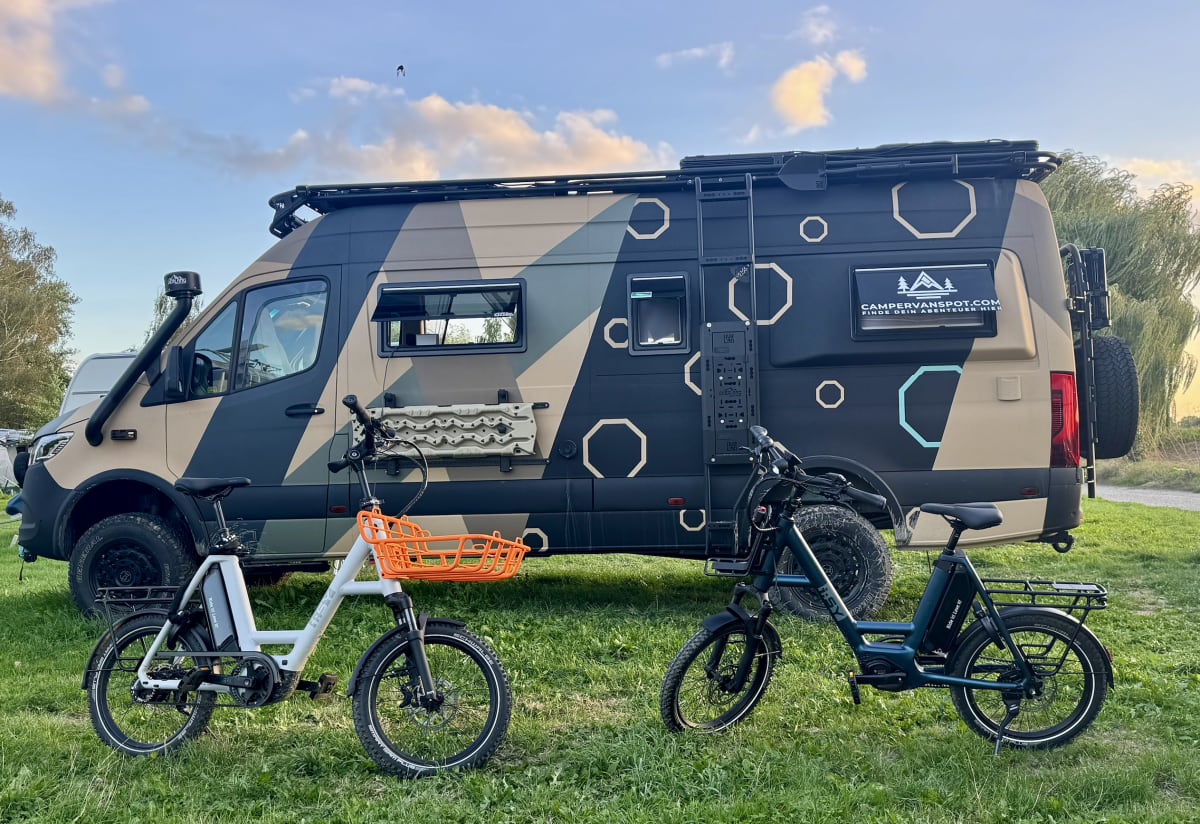
Why a bike is the best thing you can pack in your campervan
You find the perfect spot - directly by the lake, mountain views, too beautiful to leave. But you need bread, water, want to explore the village next door or catch the morning market. Moving the campervan means packing up, losing the spot. On a bike? Ten minutes and you are back.
Or the other way around: you are parked in a region you want to explore but the narrow old town lanes, the small harbour paths, the vineyard tracks - no campervan gets there. The bike does. Quickly, quietly, without parking stress.
A bike with a campervan means:
Keeping your spot while staying mobile
Exploring towns and villages the way they were meant to be seen - slowly, from the inside
Shopping, grabbing coffee, watching the sunset from the hilltop without moving the vehicle
Discovering places that are too narrow, too steep or simply not made for campervans
Why autumn is the best time for bike camping
Autumn is the most underestimated season for cycling trips. Temperatures are pleasantly cool but not cold. The tourist crowds are gone. The landscape transforms into a sea of orange, red and gold that simply does not exist in summer. Campsites are quiet and often cheaper. And the clear autumn sky makes every photo better than it deserves to be.
Anyone who has cycled through the Moselle vineyards or the Tuscan hills in October will never go back to summer again.
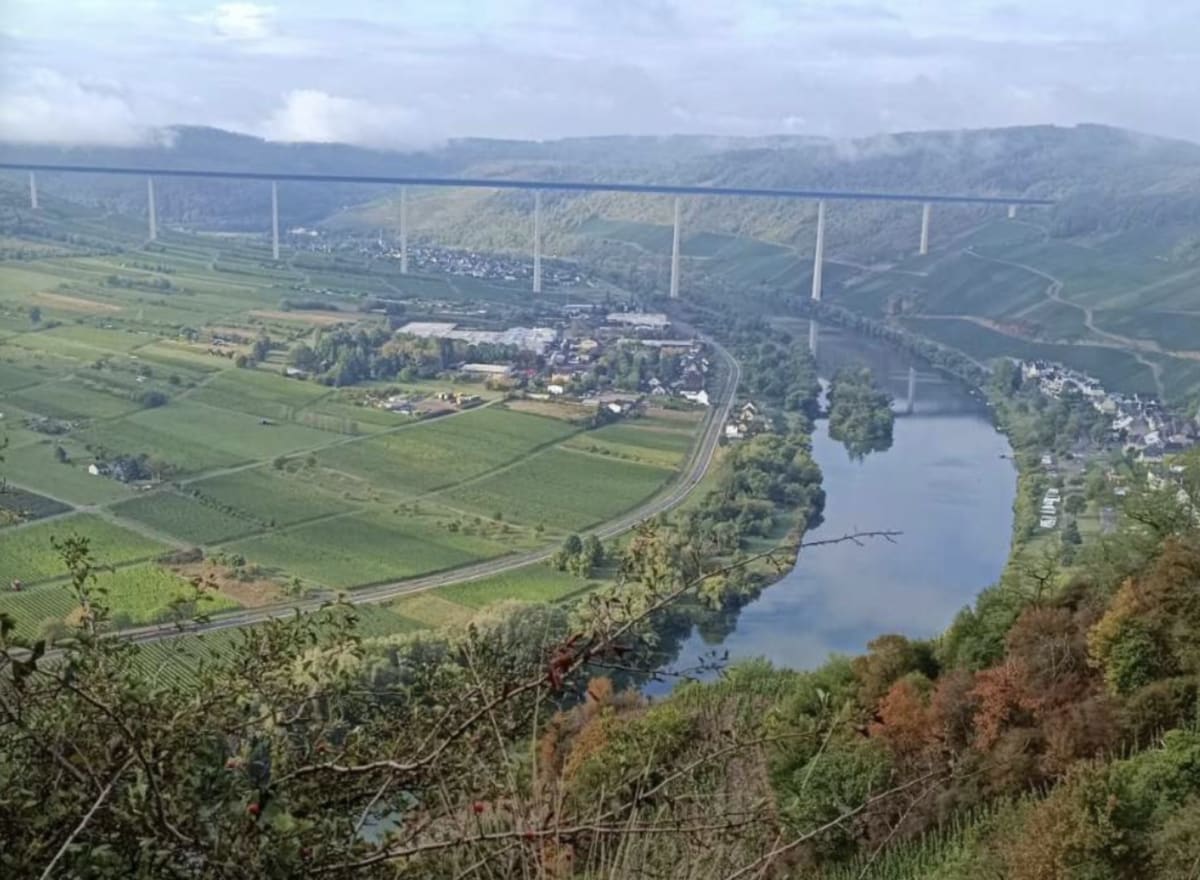
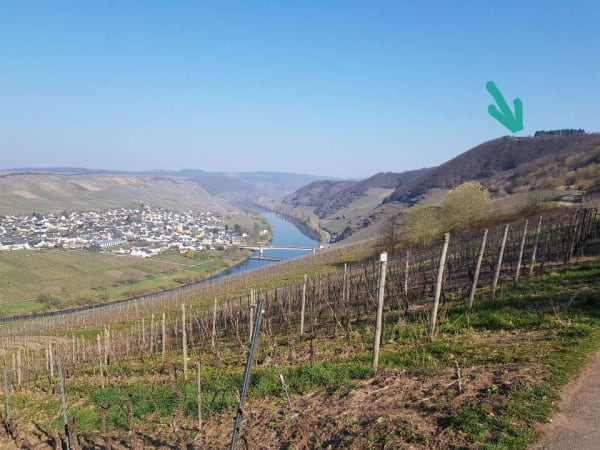
1. The Moselle - Germany and Luxembourg
Why in autumn: The harvest. The Moselle cycle path along the river is one of the most beautiful and relaxed cycling routes in Germany - and in September and October the vineyards glow in all colours. Grapes are being picked, winemakers open their estates, the young Federweißer flows freely.
The route: The Moselle cycle path runs 311 km from Perl on the German border to Koblenz - flat along the river, well maintained, with signposting that works even without navigation. For a shorter version: Trier to Koblenz (185 km) is the most beautiful stretch.
Highlights along the way:
Bernkastel-Kues - the most beautiful medieval half-timbered village on the Moselle
Burg Eltz - one of Germany's best-preserved castles hidden in the forest
Cochem with its Reichsburg castle high above the river
Wine tastings directly with local winemakers - spontaneous visits often possible in autumn
Camping and overnight spots:
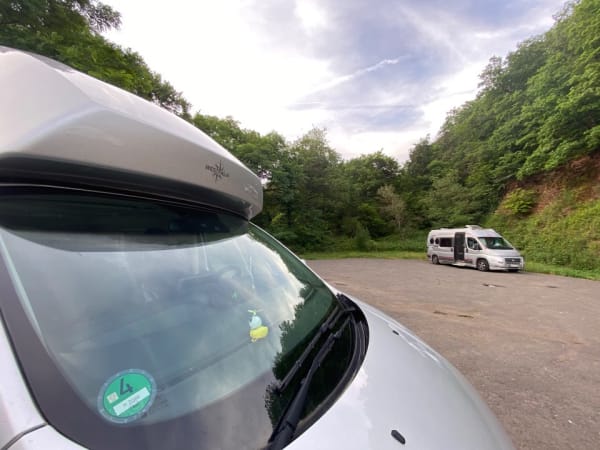
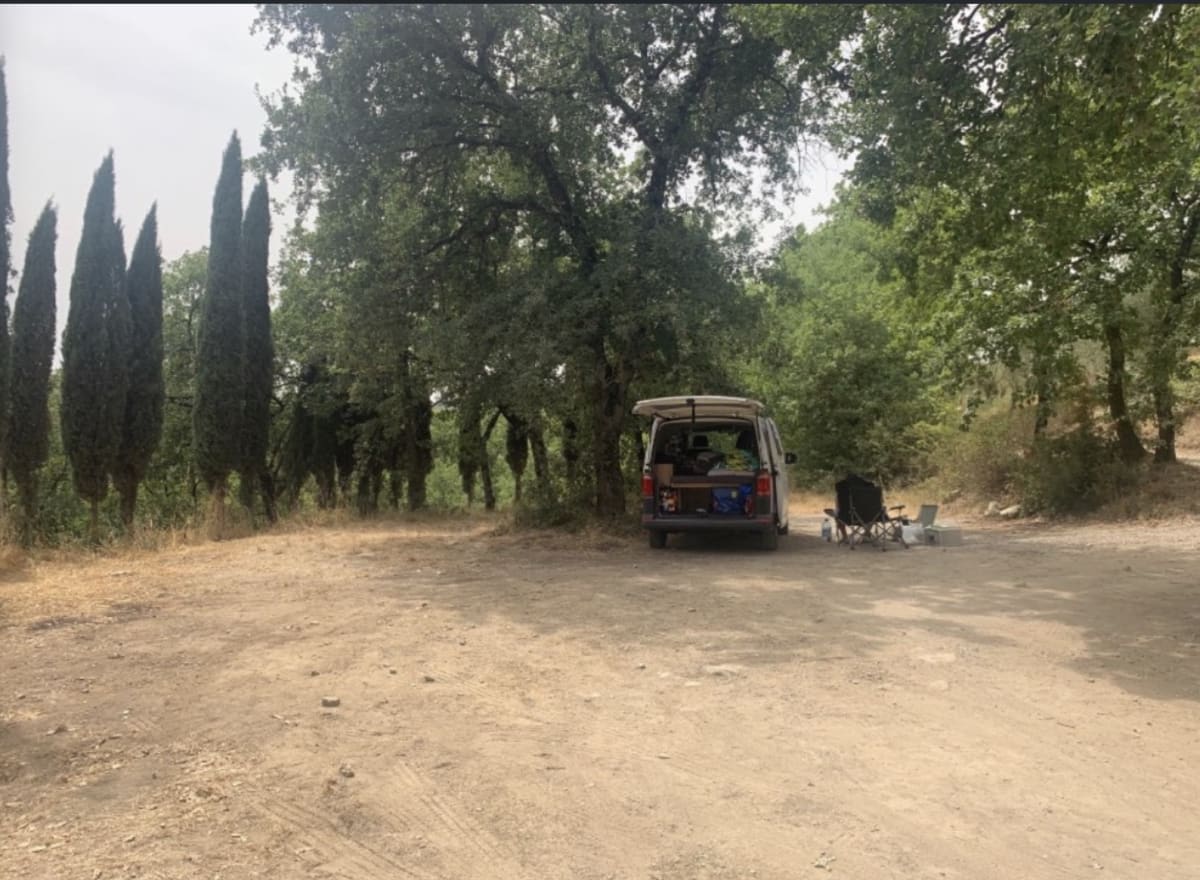
2. Tuscany - Italy
Why in autumn: September and October are the perfect time for Tuscany by bike. The summer heat is gone, the harvest is in full swing and the autumn colours turn the hills into something that looks like a painting.
The route: The Via Francigena from Siena to Bolsena (around 160 km) winds through vineyards, medieval villages, cypress avenues and thermal springs. Alternatively: the Strade Bianche around Siena - the white gravel roads through the Chianti region that are also the world's most famous cycling race route.
Highlights along the way:
Siena - one of Italy's most beautiful medieval cities
San Gimignano with its towers
Montalcino - home of Brunello, one of the world's great red wines
Bagno Vignoni - a small village whose town square is a thermal pool
The Crete Senesi - smooth bare clay hills that look like another world entirely
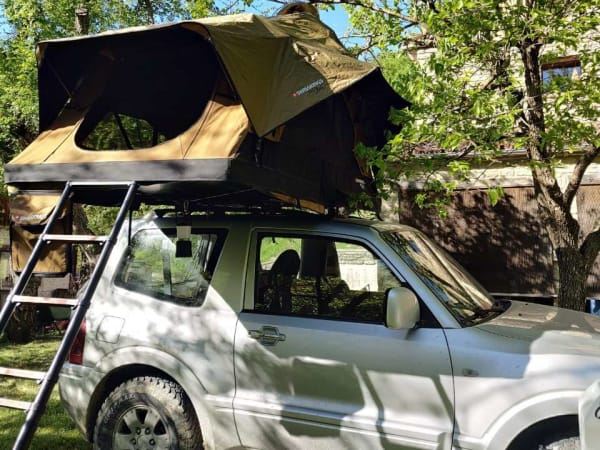
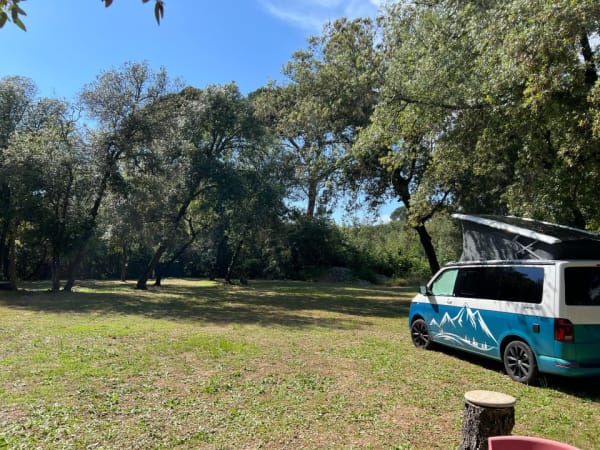
Camping and overnight spots: Agriturismo properties - farms with overnight accommodation - are the special option here: you sleep on a vineyard or olive farm, breakfast on local produce and often pay less than at a standard campsite. With StayFree you find the best spots along your route.
3. Alsace - France
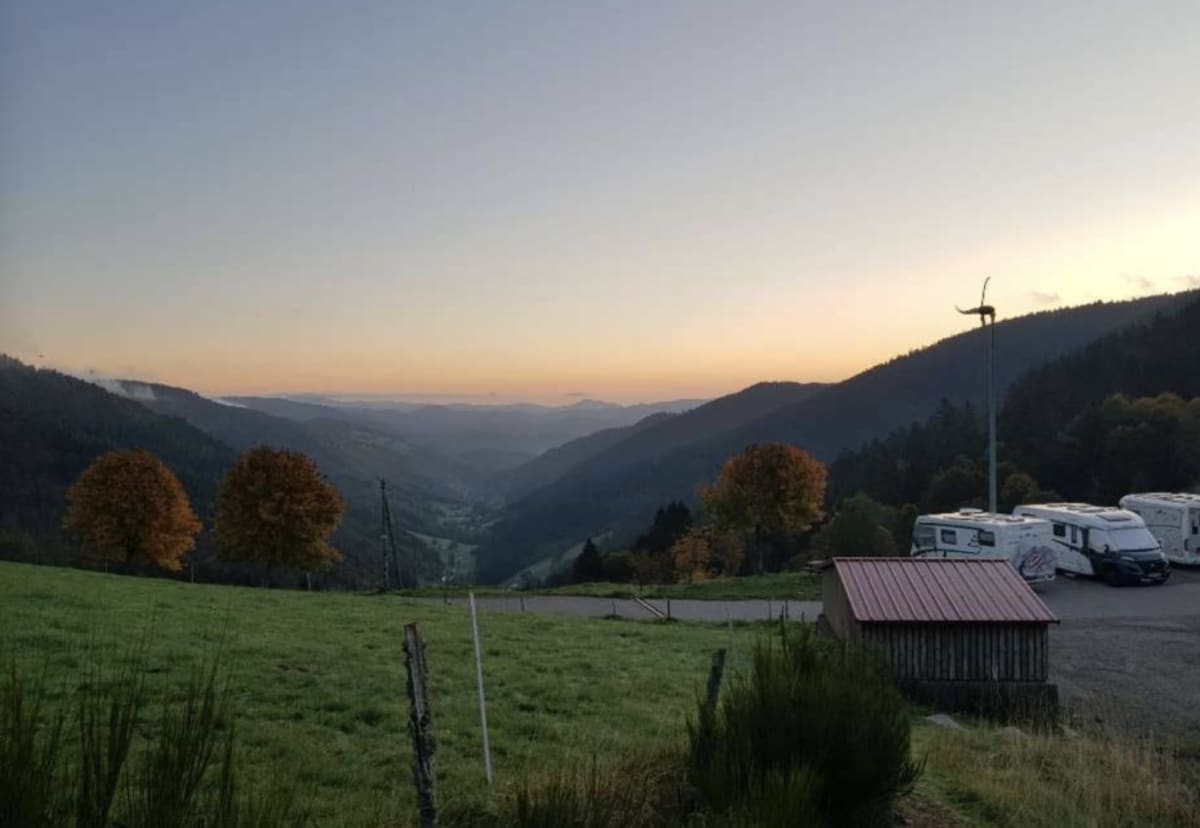
Why in autumn: Alsace is in autumn one of the most beautiful cycling regions in Europe - full stop. The Route des Vins d'Alsace winds through 170 km of vineyards, colourful half-timbered houses and villages that look like they were built for a Christmas card. In October the vineyards glow - and the new wine flows.
The route: The Route des Vins d'Alsace from Marlenheim to Thann, 170 km, almost entirely through vineyards and villages. Flat to gently hilly, perfectly signposted, on quiet back roads.
Highlights along the way:
Riquewihr - the best preserved medieval village in Alsace
Ribeauvillé with its three castle ruins above the village
Colmar - the "Little Venice" of Alsace, one of France's most beautiful old towns
Eguisheim - a circular village with concentric lanes, UNESCO World Heritage Site
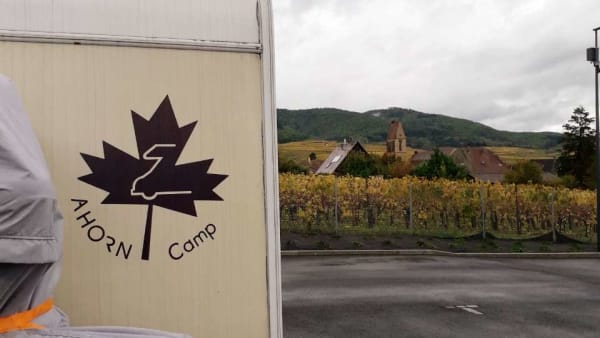
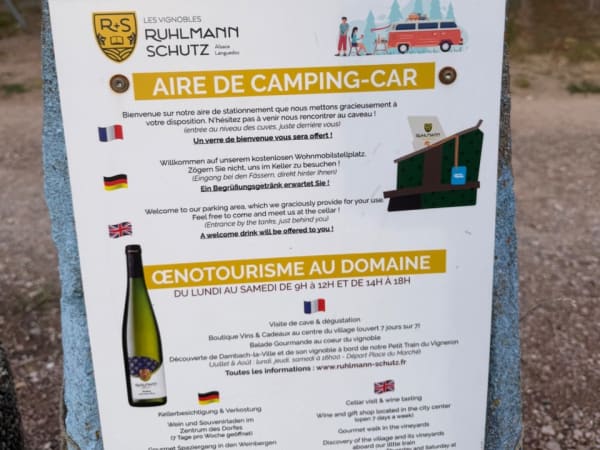
Camping and overnight spots: Alsace has good campsite infrastructure along the wine route. Many small pitches directly at wineries.
4. Slovenia - the Soča Valley
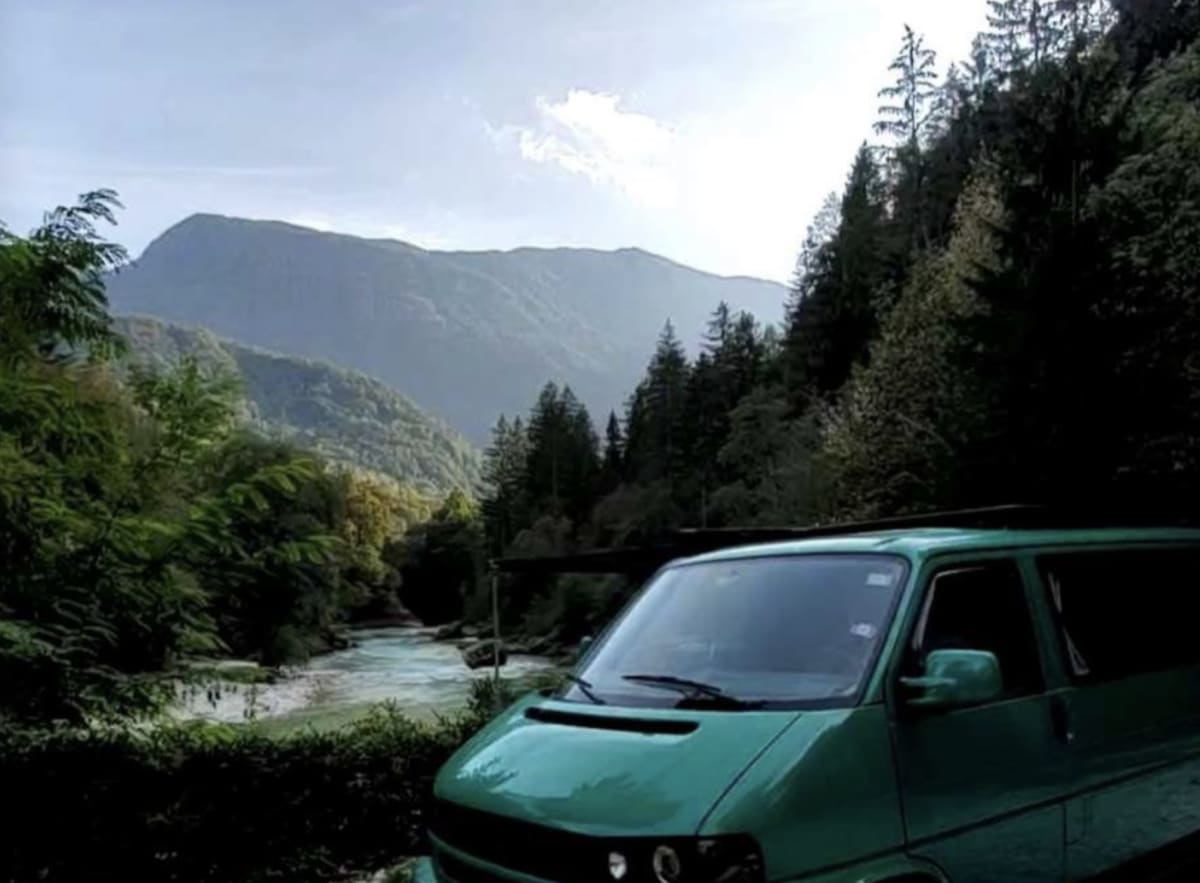
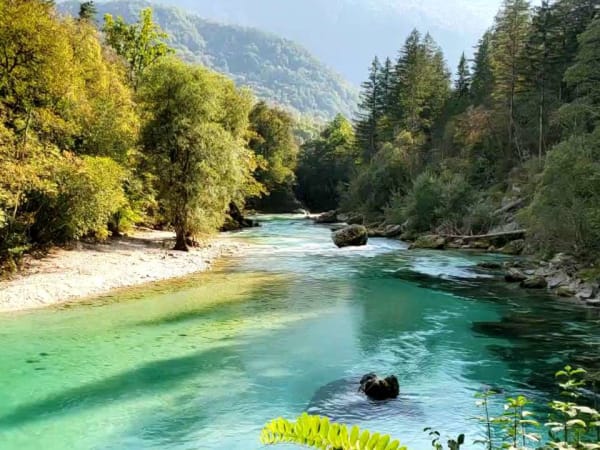
Why in autumn: The Soča Valley with its emerald green river, surrounded by mountains slowly turning orange, is one of the most impressive cycling areas in Europe. Little known, few tourists, extraordinarily beautiful.
The route: The Soča Trail - around 50 km from Bovec to Kobarid along the turquoise river - is the heart of it. Combined with the Vrsic Pass and the descent into the Sava Valley it creates a loop that has everything: mountain passes, river valley, First World War battlefields and a nature that cannot decide whether it wants to be Switzerland or the Mediterranean.
Highlights along the way:
The Soča River - turquoise like nowhere else in Europe
Kobarid and the open-air museum of the Isonzo battles
Bovec - the outdoor centre of the Soča Valley
Triglav National Park
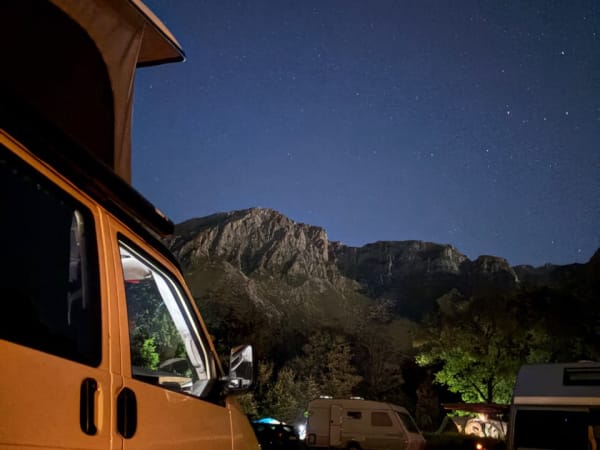
Camping and overnight free spots:
5. Portugal - Alentejo and the Algarve Coast
Why in autumn: While northern Europe slides into autumn, Portugal still has 25 degrees and sunshine. October and November are the best time for the Alentejo - cork oak landscapes, vineyards, medieval hill towns - and the Algarve coast with its dramatic cliffs. Empty, affordable, warm.
The route: The Rota Vicentina along the Atlantic coast from Alentejo to the Algarve - spectacular coastal cliffs, deserted beaches, almost no tourists. The coastal path from Sagres to Lagos is rideable and breathtaking.
Alternatively: the Alentejo wine region around Évora - gentle hills, cork oaks, Neolithic dolmens, wineries open to visitors.
Highlights along the way:
Sagres - the southwestern tip of Europe, genuine end-of-the-world feeling
The cliffs at Carrapateira and Aljezur
Évora and its medieval city walls
Monsaraz - a hilltop castle village above the Alqueva reservoir
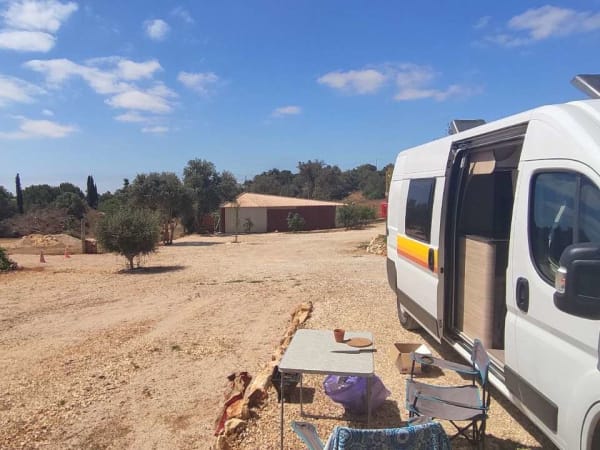
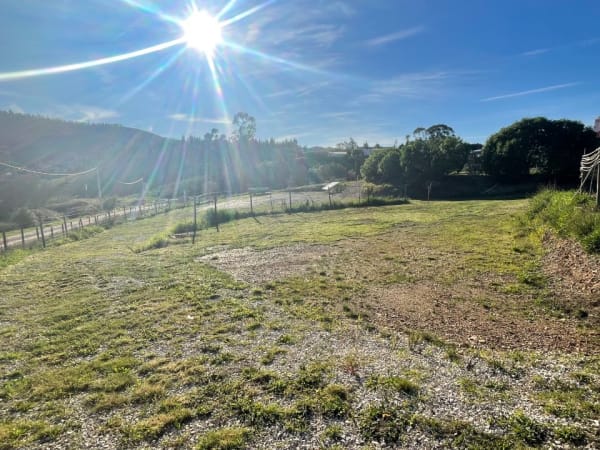
Camping and overnight spots:
How to find the best overnight spots
With StayFree you find campsites and wild camping spots along all of these routes - filtered by facilities, with photos and community reviews from travellers who have actually been there. Particularly in autumn when not all sites are open, current information makes all the difference.
Filters especially relevant for cyclists:
Bike-friendly with secure storage
Showers - non-negotiable after a long day in the saddle
Kitchen - self-catering saves money and is more enjoyable
Quiet location - after a day cycling you do not need a party next doo
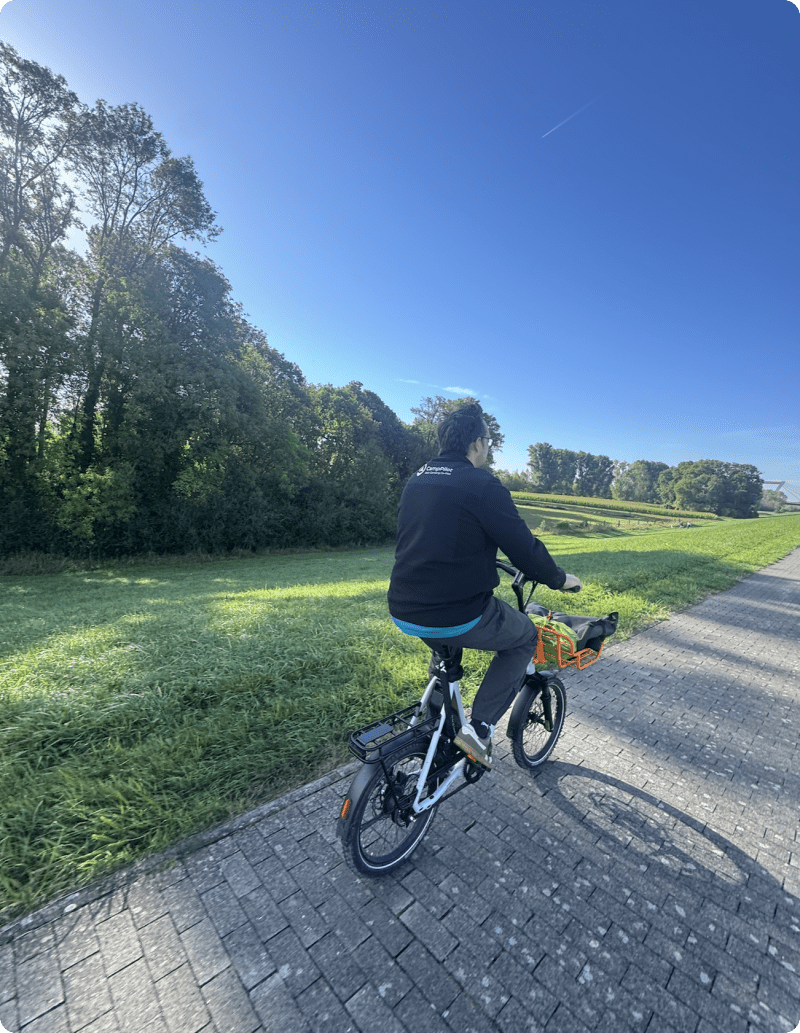
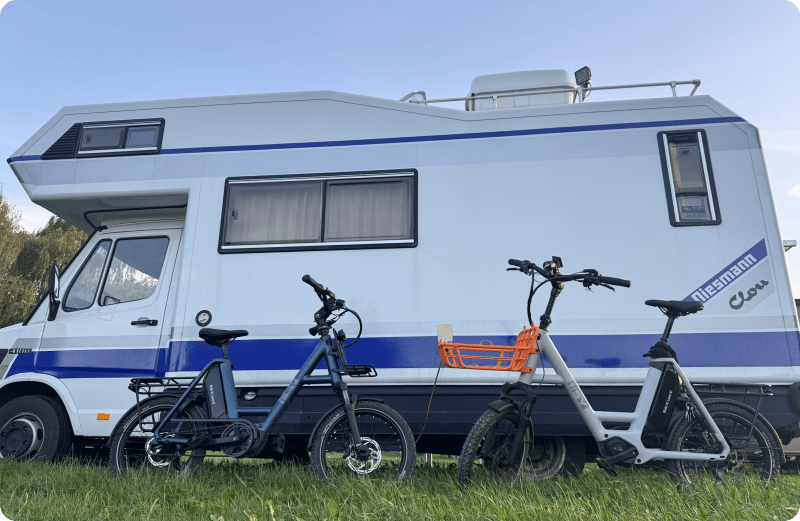
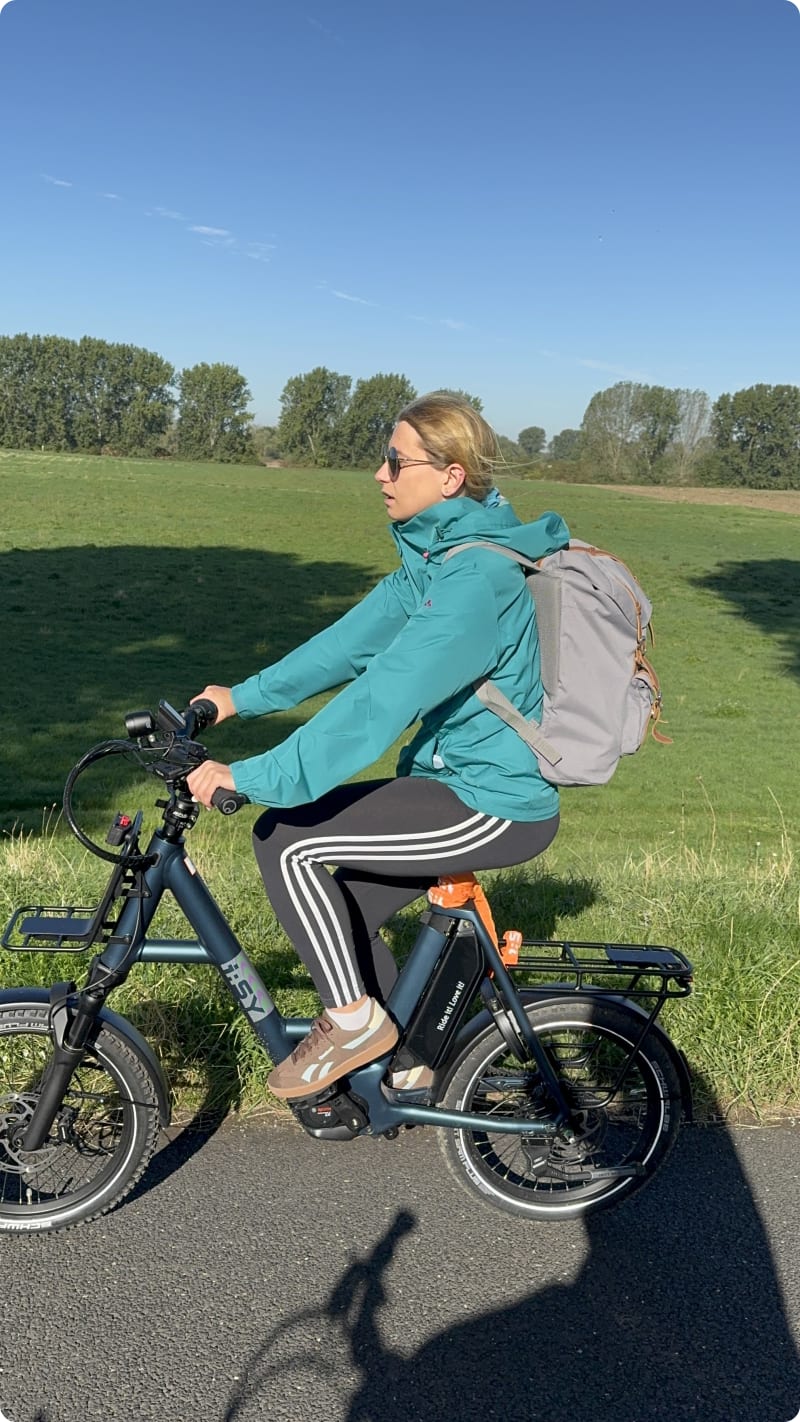
Our recommendation. What the StayFree team actually uses
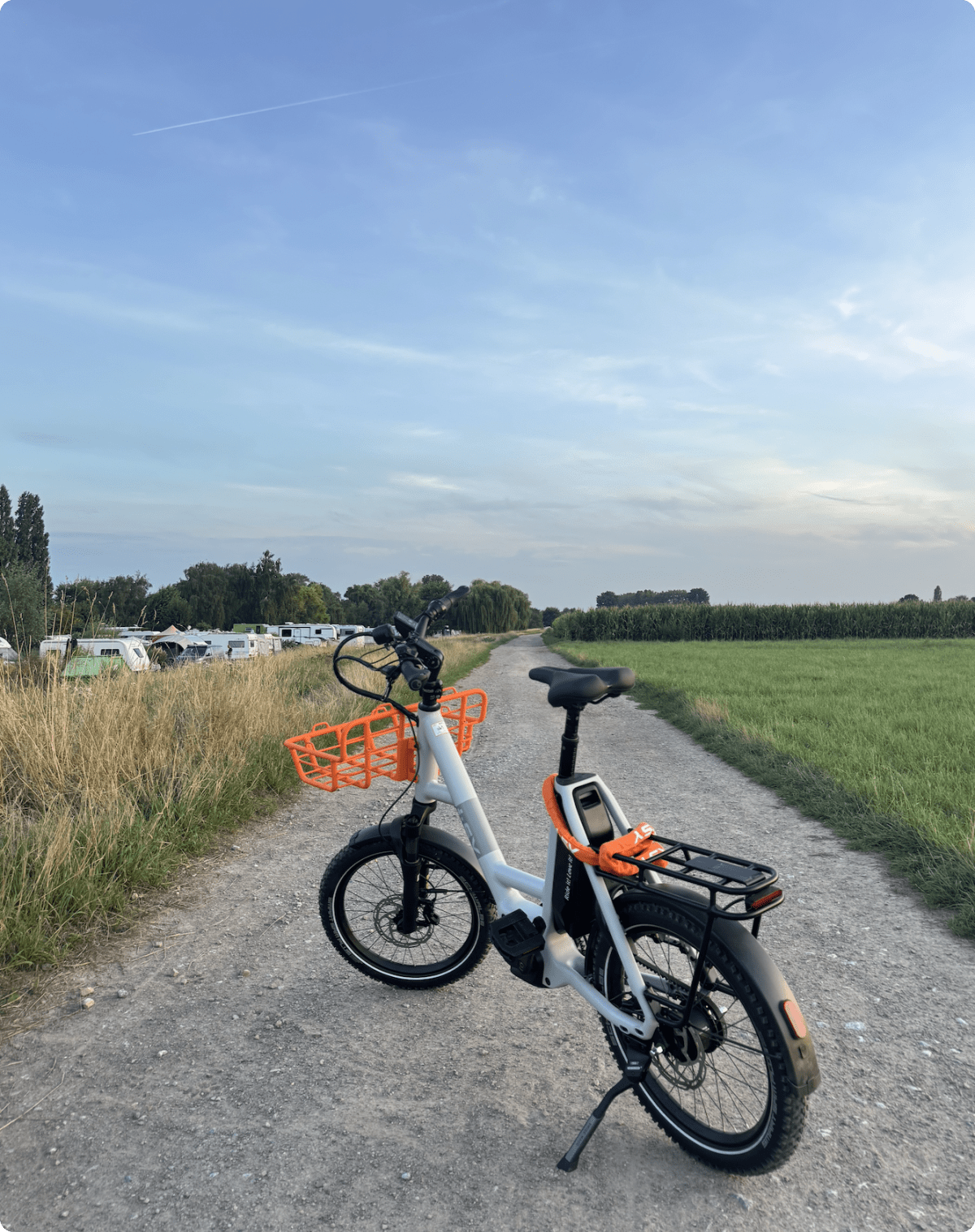
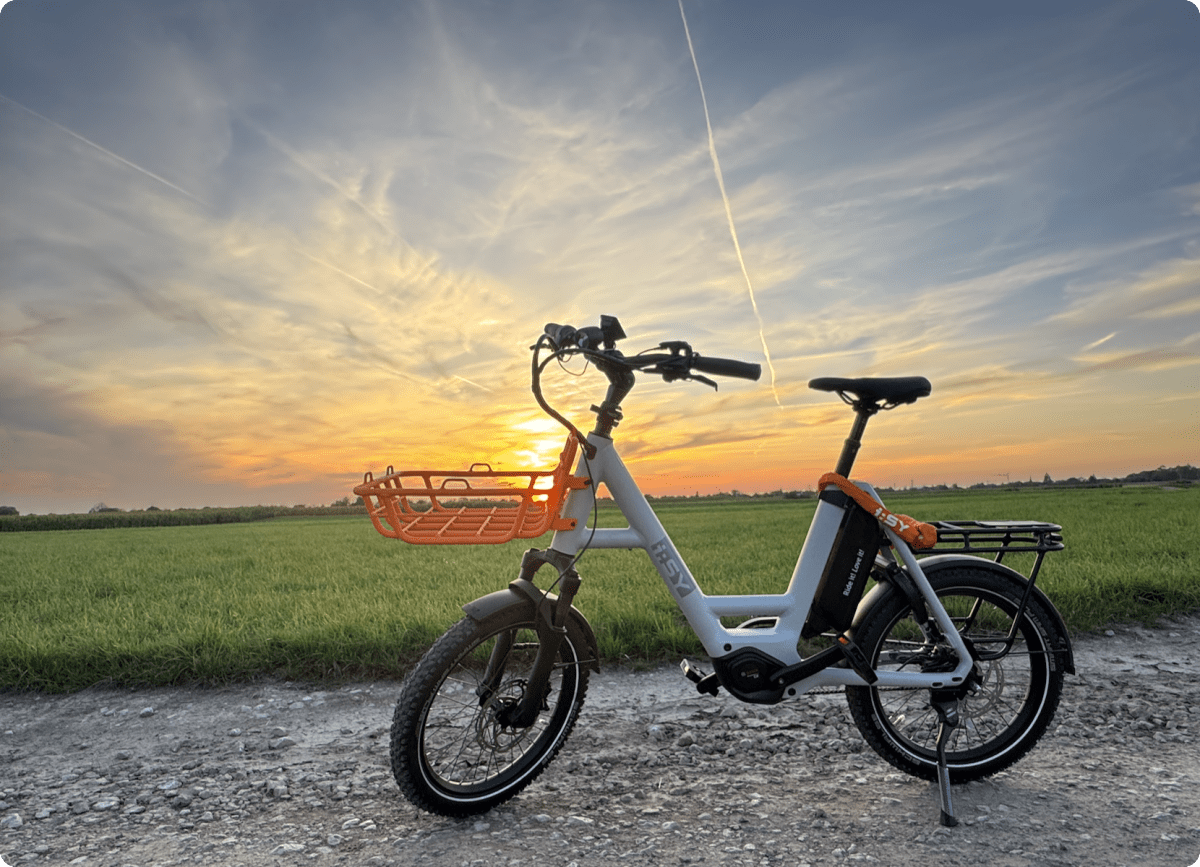
After years on the road our pick is the i:sy e-bike.
Compact, light, foldable - it fits in any campervan without dominating the space. The battery gives you a full day of exploring without thinking about charging. Light enough to lift in and out easily. Small enough to live inside the van rather than on it.
With electric assist you reach the vineyard slope that looked too steep, the hilltop old town that was just a bit too far, the beach at the end of the gravel track the campervan could not reach - without stress, without sweat, without giving up your spot.
Gravel tracks, coastal paths, cobblestone old towns - the i:sy handles whatever the day brings. Perfect for the kind of spontaneous, unplanned exploring that makes a campervan trip what it is.
FAQ
Which region is best for beginners in bike camping?
The Moselle - flat, well signposted, good campsite density, beautiful landscape and excellent food and wine. Ideal for a first bike camping trip.
Do I need an e-bike for these routes?
Not necessarily - but it opens doors. Hilly regions like Tuscany, Alsace and Slovenia become a completely different experience with an e-bike. Those who want to enjoy the landscape rather than train will ride further and more comfortably with the i:sy.

About the author
This article was written by Anna - vanlife expert and full-time traveler exploring Europe for 5 years.



.png)