
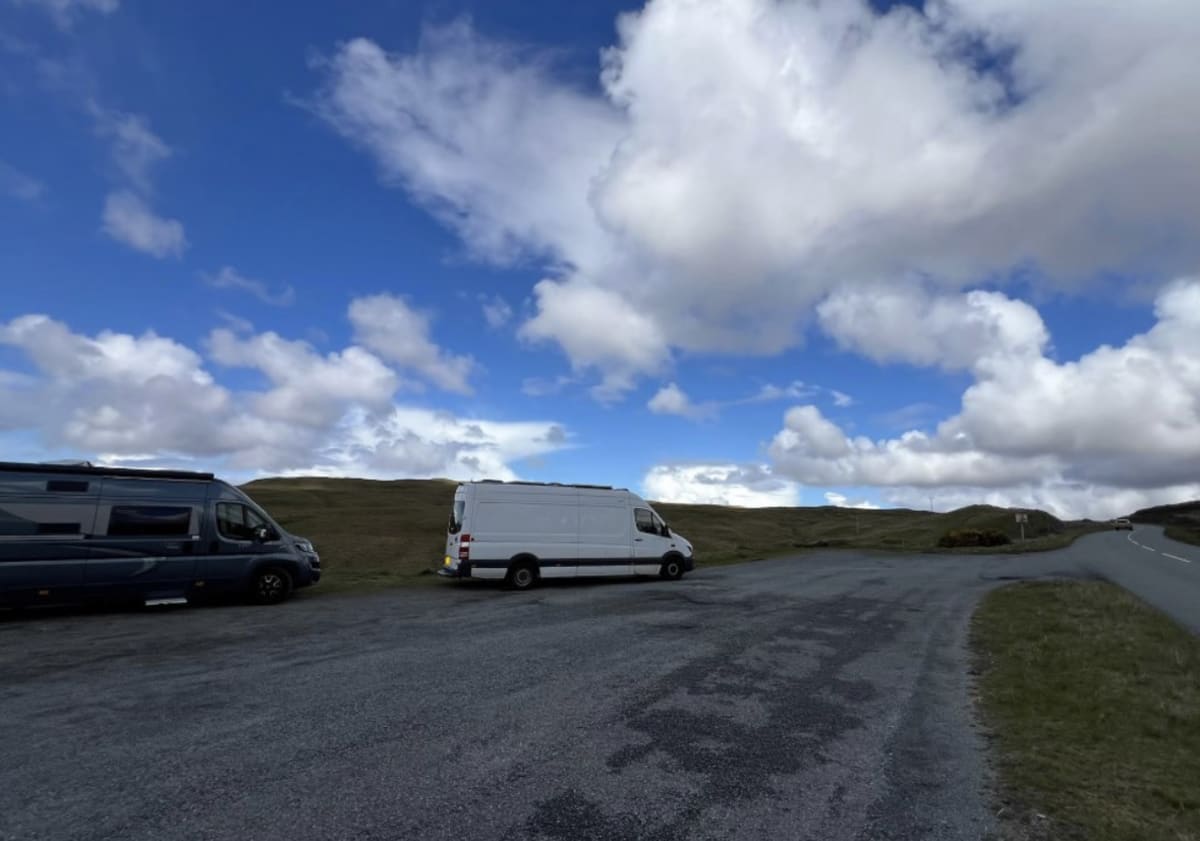
What is a lay-by?
A lay-by is a widened section at the side of a road that allows vehicles to pull over without blocking the main carriageway. They exist on A-roads, B-roads and some motorway slip roads across the UK and Europe - typically used for short breaks, driver rest stops, roadside vendors and emergency parking.
They are not campsites. They are not overnight parking areas. But for campervan and motorhome travellers they occasionally come up as a last resort - and if you are going to use one, it is worth knowing exactly what you are dealing with.
The short answer on overnight stays
Sleeping in a vehicle at a lay-by is not explicitly illegal in the UK - but it exists in a grey area that comes with real limitations, real safety considerations and a responsibility towards other road users that many travellers do not think about.
The key distinction: staying overnight in your vehicle to restore fitness to drive is generally permissible.
Camping - setting up outside, cooking outdoors, extending awnings, staying for multiple nights - is not.
If you treat a lay-by as a campsite, you are misusing it. If you treat it as a last resort overnight stop when nothing else is available, you are using it as it was intended.
Types of lay-bys - they are not all the same
Understanding what kind of lay-by you are in changes everything about whether staying overnight is appropriate or safe.
Simple roadside lay-bys
The most common type - a widened strip beside a single carriageway or A-road, often unpaved or poorly lit. These exist purely to allow drivers to pull over safely. They frequently have no facilities, minimal space and no separation from passing traffic. These are the least suitable for overnight stops - noisy, exposed to traffic and often used by lorries, motorcyclists and others at all hours.
Lorry lay-bys
Larger lay-bys specifically intended for HGV drivers to take mandatory rest breaks. These are sometimes signed and are actively used by lorries overnight. If you park a campervan in a lorry lay-by you may find yourself surrounded by idling lorry engines at 3am. This is not illegal - but it is not comfortable and you are occupying space that the drivers who are legally required to stop genuinely need.
Scenic lay-bys and viewpoints
Found on tourist routes, hillsides and coastal roads - often with a proper surface, space for several vehicles and sometimes picnic benches or information boards. These are better suited to a short overnight stop than a roadside strip. However many are signed "No Overnight Parking" specifically because of overuse by campervans. Check the signage before you settle in.
Managed rest areas
In some parts of the UK and more commonly across Europe, managed rest areas with proper surfaces, bins and sometimes basic facilities exist along main routes. These are the most appropriate option if you genuinely need to stop overnight and have no alternative.
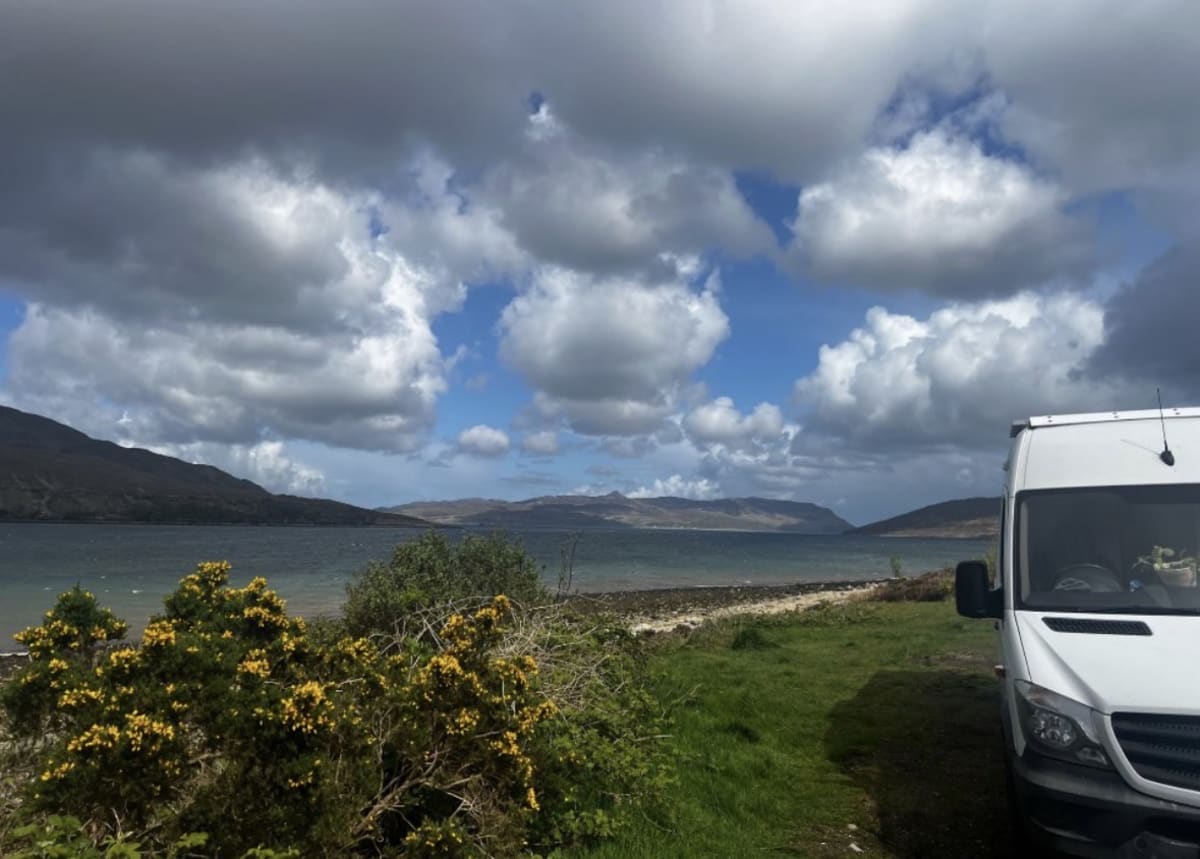
Safety: the honest picture
This is where most guides on lay-bys underplay the reality. Lay-bys on busy roads can be genuinely hazardous overnight - and it is worth being honest about why.
Traffic noise and exhaust
A lay-by on a busy A-road or near a motorway slip road is not quiet. Traffic does not stop at night in the UK. Lorries, night deliveries, early morning commuters - the noise and the diesel exhaust from vehicles pulling in and out can make sleep difficult and air quality poor. This is not a minor inconvenience - it is the baseline reality of most lay-bys.
Proximity to moving traffic
Vehicles in lay-bys are parked very close to lanes of moving traffic. In the dark, tired drivers may not judge distances accurately. In fog, rain or on poorly lit roads the risk of a vehicle straying from the road into a lay-by is real. This is rare - but it is not zero. Always park as far from the road edge as possible and not in a position where your vehicle protrudes into traffic.
Your safety as a lone traveller
Lay-bys are public, unmonitored spaces. Some are well lit and frequently used - others are isolated and dark. For solo travellers and particularly for women travelling alone, a remote unlit lay-by on a quiet road at midnight is not a safe environment. This is not alarmism - it is a real consideration. Trust your instincts. If a lay-by feels wrong, it probably is. Move on.
Safety for other road users
This point is less often made but equally important. When you park in a lay-by overnight you take up space that other drivers may genuinely need - a tired driver who needs a fifteen-minute rest before they are safe to continue, a lorry driver who must stop by law, a family who needs to change a nappy or deal with a breakdown. A campervan taking up three-quarters of a small lay-by for eight hours is not a neutral act. Leave space. If the lay-by only has room for one vehicle and you are in it, you have removed it from everyone else until morning.
The toilet question
More and more lay-bys across the UK and Europe are displaying signs that specifically address this: No grey water disposal. No use of chemical toilet outside the vehicle.
This reflects a growing problem. Campervan and motorhome travellers who empty chemical toilet cassettes or grey water tanks in lay-bys are creating a serious sanitation and public health issue. It is also increasingly an enforcement issue.
The rule is simple: if your vehicle does not have a self-contained toilet, a lay-by is not a suitable overnight stop. There are no facilities. There is no way to manage waste responsibly. And the alternative - using the grass verge or hedgerow - is unacceptable by any standard.
If you do have a self-contained toilet and are stopping overnight, all waste stays in the vehicle until you reach a proper disposal point. No exceptions.
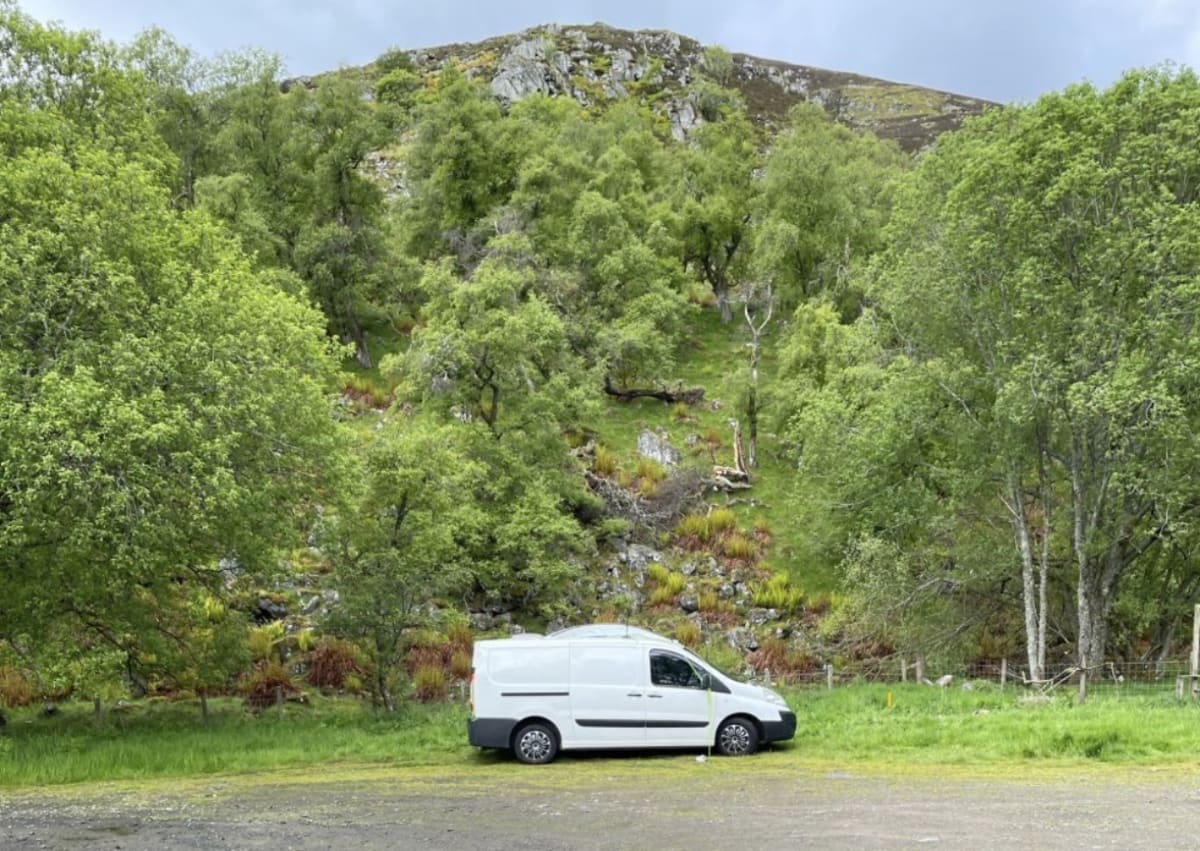
In practice: how to stop at a lay-by responsibly
If you do need to use a lay-by for an overnight stop, here is how to do it in a way that is safe and considerate:
Check the signage first Before you commit to stopping, check for "No Overnight Parking", "No Camping" or time restriction signs. If any of these are present, move on.
Park thoughtfully Pull as far into the lay-by as possible and as far from the road edge as is safe. Leave maximum space for other vehicles. Do not park across the entrance or exit of the lay-by.
Stay inside the vehicle No awning, no chairs, no cooking outside, no tables. You are resting in your vehicle - not camping. Keep it that way.
Keep your lights off Once you are stopped for the night, interior lights visible through the windows advertise your presence. This is a minor but real personal safety consideration in unmonitored locations.
Check wind and road noise before committing Spend five minutes in the lay-by before you decide to stay. Is the road noise tolerable? Is the lay-by level? Is there a lorry idling nearby? Assessing this before you get your bedding out saves a frustrating middle-of-the-night relocation.
Leave early A lay-by is not a morning spot. Be ready to leave by 7am at the latest - earlier if it is a busy road. Do not cook breakfast, do not reorganise the van, do not linger.
Leave it exactly as you found it Take all rubbish with you. Leave no trace of your having been there. The standard should be that nobody can tell a campervan was parked there overnight.
Finding lay-bys with StayFree
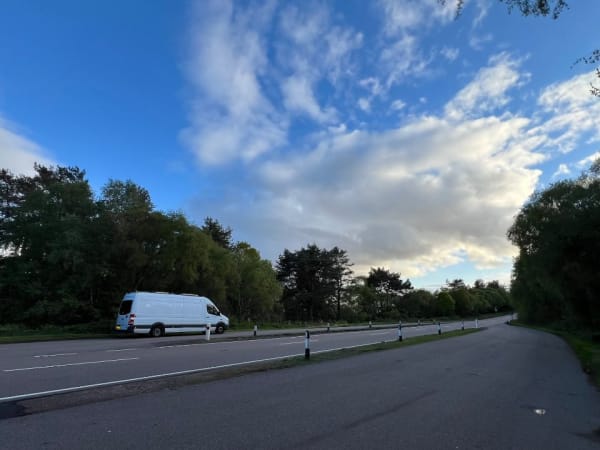
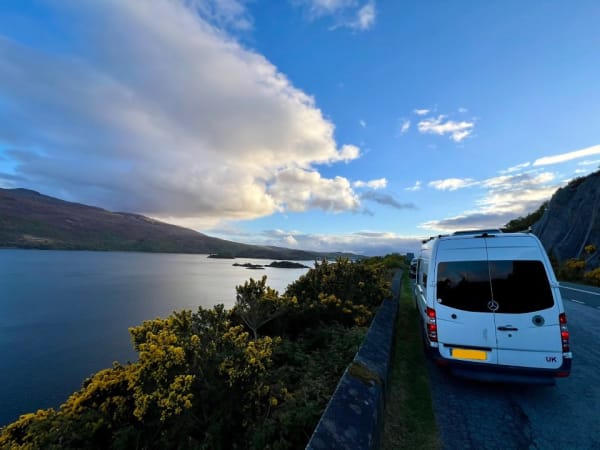
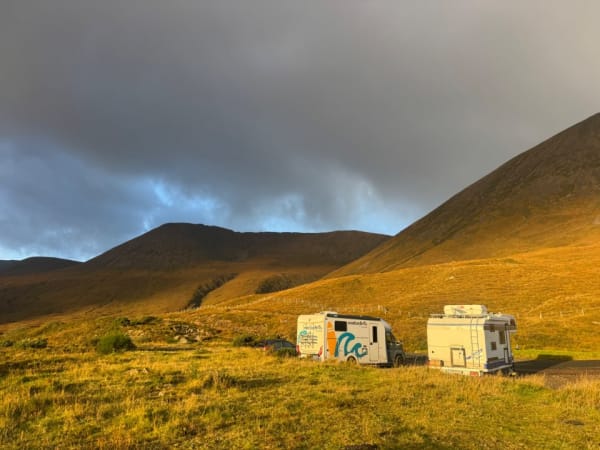
StayFree lists lay-bys (as a parking places) alongside campsites, wild camping spots, aires and other overnight options - so when you are searching for somewhere to stop you can see all the options in one place rather than driving around hoping something appears.
Community reviews on StayFree often contain exactly the kind of information that matters for a lay-by decision: whether it is quiet or noisy, whether there is a "No Overnight Parking" sign, how large it is, whether lorries use it at night, whether there is phone signal and what the surface is like.
This is the kind of detail that does not appear on any official map - it comes from people who have actually stopped there. Before committing to a lay-by for the night, a two-minute check on StayFree can tell you whether it is a reasonable option or whether there is something much better five kilometres further down the road.
See some lay-bys in StayFree:
FAQ
Is it safe to sleep in a lay-by alone?
It depends entirely on the lay-by. A well-lit, frequently used lay-by on a busy route is relatively safe. A remote, unlit, isolated lay-by on a quiet road is not. Trust your instincts. If something feels wrong about a location, move on.
Are lay-bys shown on StayFree?
Yes - StayFree lists lay-bys with community reviews that include practical information about noise levels, signage, size, whether lorries use them at night and what other travellers have experienced there.
What is the difference between a lay-by and a rest area?
A lay-by is an informal widened section of road with minimal or no facilities. A rest area (or motorway services) is a managed facility with toilets, parking, sometimes food and often waste disposal. A rest area is always preferable to a lay-by for an overnight stop.

About the author
This article was written by Anna - vanlife expert and full-time traveler exploring Europe for 5 years.



.png)