

Traveling With Calm and Confidence – Safety Without Fear
Wild camping and free camping are the ultimate adventure for many vanlifers: a night by the beach, a hidden clearing in the forest, the sound of crickets, and the feeling of absolute freedom. Especially for beginners, however, these unfamiliar settings can easily trigger uncertainty. That’s completely normal - after all, you’re not sleeping in your own driveway but somewhere in nature or on an unknown parking spot.
The important thing to remember is this: The vast majority of nights are peaceful and uneventful. Incidents are extremely rare and usually the result of poor spot selection or a lack of preparation. With just a few simple routines and a solid feel for safe parking areas, you can travel without fear, enjoy your freedom, and stay relaxed at night.
This guide is designed to help you camp with more confidence, assess situations better, and cultivate a calm mindset. Safety doesn’t mean being suspicious of everything—it means being aware, organized, and prepared.
1. Choosing the Right Spot: Be Observant, Not Afraid
Picking the right place to stay is the most important factor for a peaceful night. Often, just a quick look around is enough to determine whether a location feels right. If you see broken car glass, strange items, damaged vehicle parts, or signs of previous break-ins, simply move on. Experienced campers avoid such places consistently - where a break-in has happened once, it may easily happen again.
But this doesn’t mean danger lurks everywhere. Quite the opposite. Most spots are absolutely safe, especially when they are clean, open, and frequented by other campers, joggers, or dog walkers.
Take a moment to observe: Are there people around? Does the area feel open, calm, and predictable? Your intuition is an incredibly reliable safety tool. If something feels off, just drive a bit further.
2. Check StayFree Reviews: Photos, Insights, and Helping Others
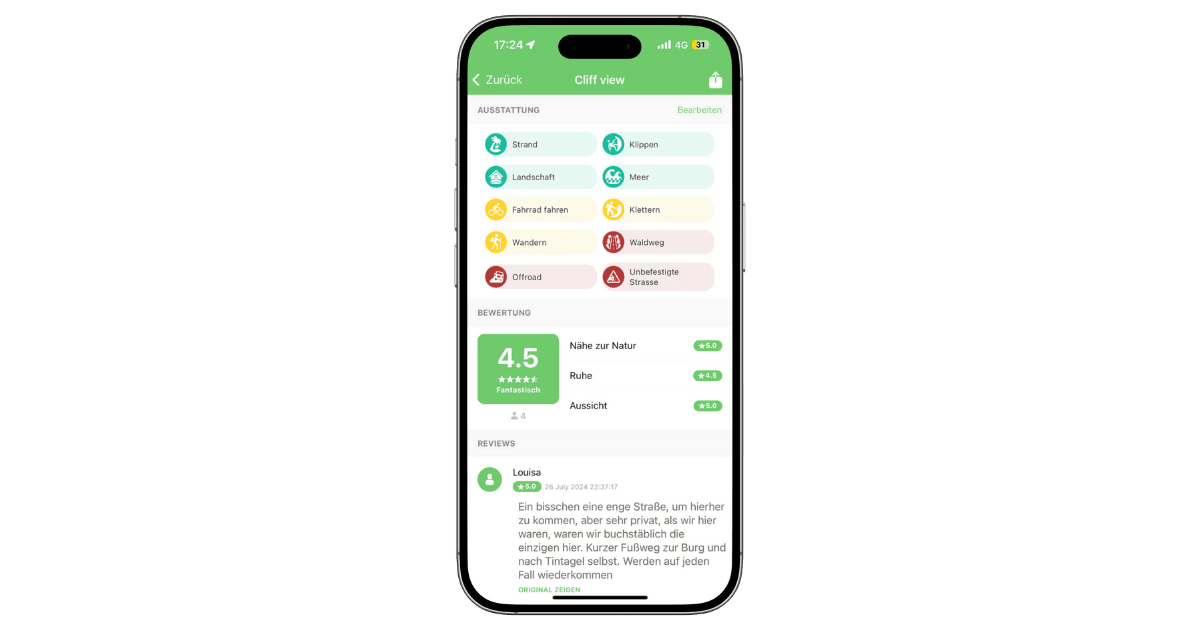
One of the most useful tools for choosing safe overnight spots is the StayFree app. Reviews give you a real sense of what to expect—current conditions, nighttime activity, and overall vibe. Photos provide even more clarity: you can instantly see if the place looks tidy, remote, busy, or run down.
Pay special attention to recent reviews, as places can change quickly—sometimes for the better, sometimes for the worse. Phrases like “quiet”, “police-tolerated”, “busy at night”, “several campers present” are extremely helpful when evaluating a spot.
And don’t forget: you can help others too. After your stay, leave a simple review. It doesn’t have to be long—something like:
“Slept very well, no noise, great phone reception, clean and quiet spot.”
These short, honest notes help other travelers tremendously. The StayFree community thrives on shared experiences, and the more reviews there are, the safer everyone feels.
3. Avoid Rest Areas Close to Big Cities and Motorways
In countries like France, Spain, and Italy, overnighting at highway rest areas often carries higher risk. These spots are easy to access, heavily trafficked, and watched by the wrong kinds of people looking for quick opportunities. Travelers frequently report attempted or successful break-ins, especially during peak travel seasons.
But that doesn’t mean these countries are unsafe—far from it! Once you leave the highway and drive just a few kilometers, you’ll find beautiful and secure places: quiet village parking lots, picnic areas, lakeside spots, seaside parkings, or residential streets.
If the first place doesn’t feel right, don’t stress. Just stay flexible and keep searching.
4. Park With a Clear Escape Route
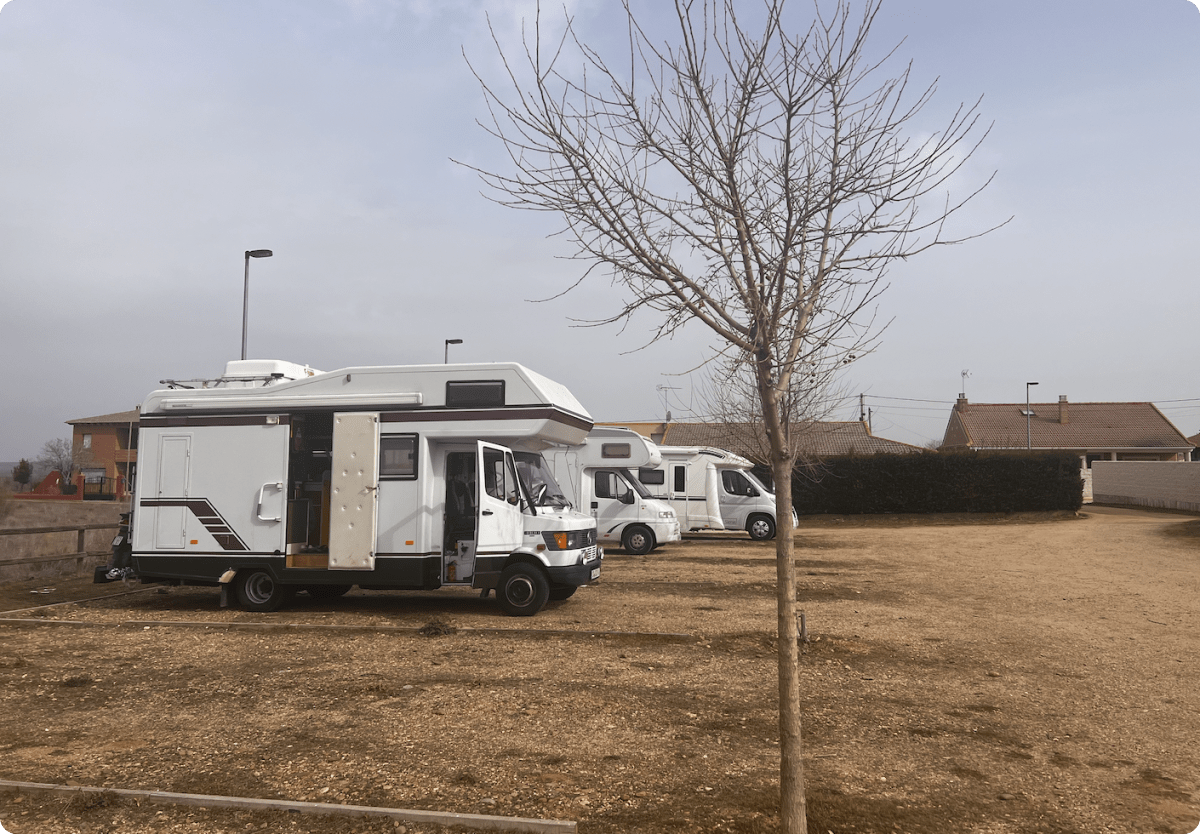
Safety also means being able to drive away quickly if you ever need to. Always park so that you can leave without reversing, without turning around, and without complicated maneuvers in the dark. Even though emergencies are extremely rare, simply knowing you can pull out instantly gives you immense peace of mind.
Experienced campers naturally position their vehicle facing the exit, it's a smart and safe practice.
5. Keep the Driver’s Seat and Interior Passage Clear
It’s tempting to use the front seats as storage, especially in small campers. But the driver’s seat should always remain clear at night. A blocked seat can steal valuable seconds, and clearing bags or boxes in a stressful moment is the last thing you want.
The same applies to the passage between the living area and the cabin: keep it open so you can enter the driver’s seat without stepping outside. When it’s raining, windy, or you simply feel uneasy, a walkway is worth gold.
Explore Wild Camping Spots: https://www.stayfree.app/en/campspots/
6. Your Car Key – Small but Essential
The car key is often the first thing you need in an emergency—and the hardest thing to find if you left it “somewhere.” That’s why it should always be placed in the exact same location, easy to reach from your bed and impossible to overlook.
This eliminates stress and ensures you can move immediately if necessary. Some campers even leave the key in the ignition at night—others feel that’s too tempting for thieves. Choose what feels right for you, but consistency is key.
7. Tidy Up Before Bed
Campers get messy fast—and that can become dangerous in the dark. Before going to sleep, do a quick sweep:
secure anything that could fall or break
close all cupboards
remove items from the floor
tidy cables and equipment
That way, you can quickly reach the driver’s seat without tripping over something. And remember: if something breaks during a sudden departure, it’s just an object. Safety always comes first.
8. Avoid Alcohol When the Spot Feels Uncertain
Wild camping often comes with sunsets, a cozy atmosphere, and the desire for a glass of wine. That’s perfectly fine—unless you have a bad feeling about the spot. In those situations, at least one person should stay sober and ready to drive.
Alcohol reduces reaction time, alters judgment, and complicates already stressful situations. Traveling is about enjoyment—but sometimes caution is the smarter choice.
9. Keep Valuables Out of Sight
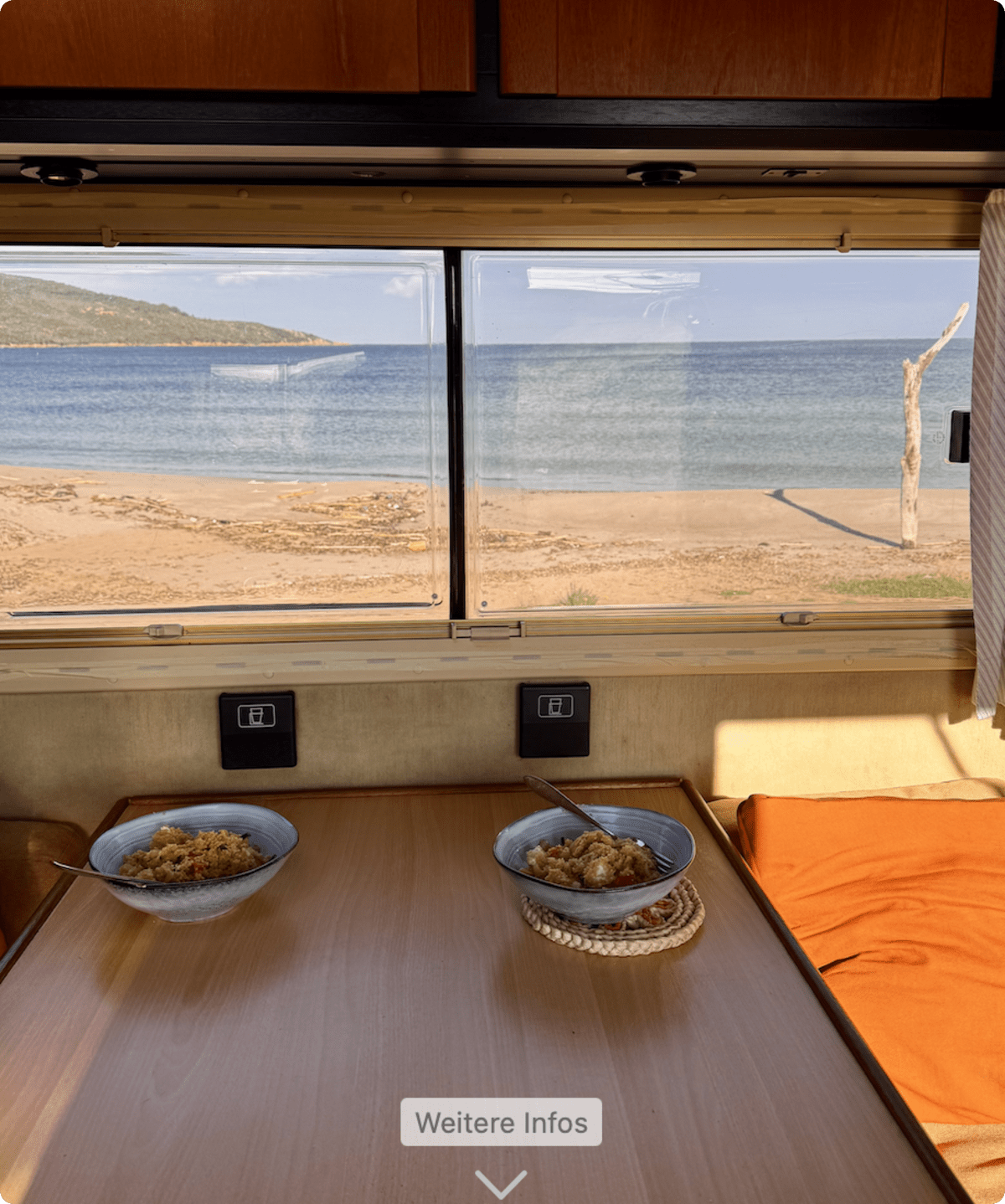
Visible electronics attract unwanted attention. Always store laptops, cameras, passports, drones, and devices out of sight. A tidy cabin appears less valuable and is less tempting to opportunistic thieves. An unremarkable camper is almost always a safer camper.
10. Gas and CO Detectors – Small Devices, Big Safety
Gas detectors sense even tiny changes in air composition—whether caused by external gas infiltration or a leak from your own system or fuel canisters. Many campers rely on these devices for peace of mind.
A carbon monoxide detector is equally important, especially when heating or cooking inside. CO is odorless, and a detector can literally save your life.
11. Discuss Your Emergency Plan in Advance
If you’re traveling with others, talk through what you would do in a rare emergency:
Who starts the engine?
Who handles pets or children?
Who closes windows or skylights?
A quick conversation creates clarity, reduces stress, and ensures everyone knows their role. Usually, just having discussed it once makes a huge difference.
12. Take Warnings From Locals or Police Seriously
If locals, security staff, or police advise you to leave a location, take it seriously—even if it feels exaggerated. Their concerns may be about safety, legality, or simply local customs.Respond calmly and respectfully. It’s always better to move on than to risk fines or uncomfortable situations.
13. Stay Low-Key – Less Is Often More
Expensive bikes, visible high-end gear, or a flashy setup can attract the wrong kind of attention. Think carefully about what you really need. Many travelers find they feel much more relaxed once they reduce visible valuables. “Simplicity equals safety” is a good motto.
14. Arrive at Your Spot Before Dark
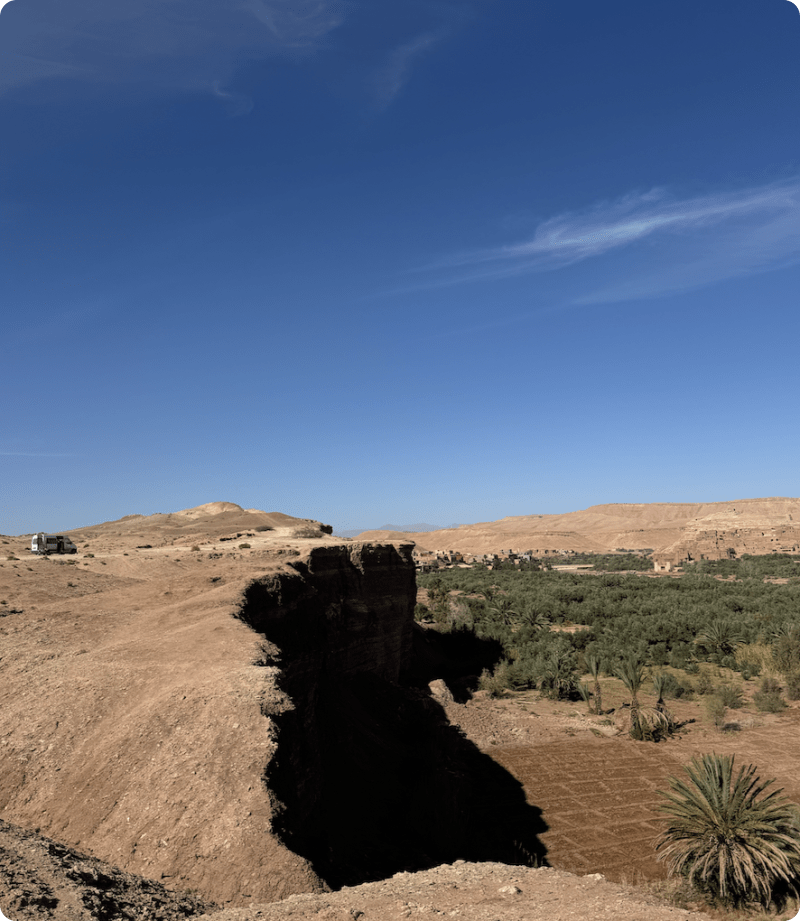
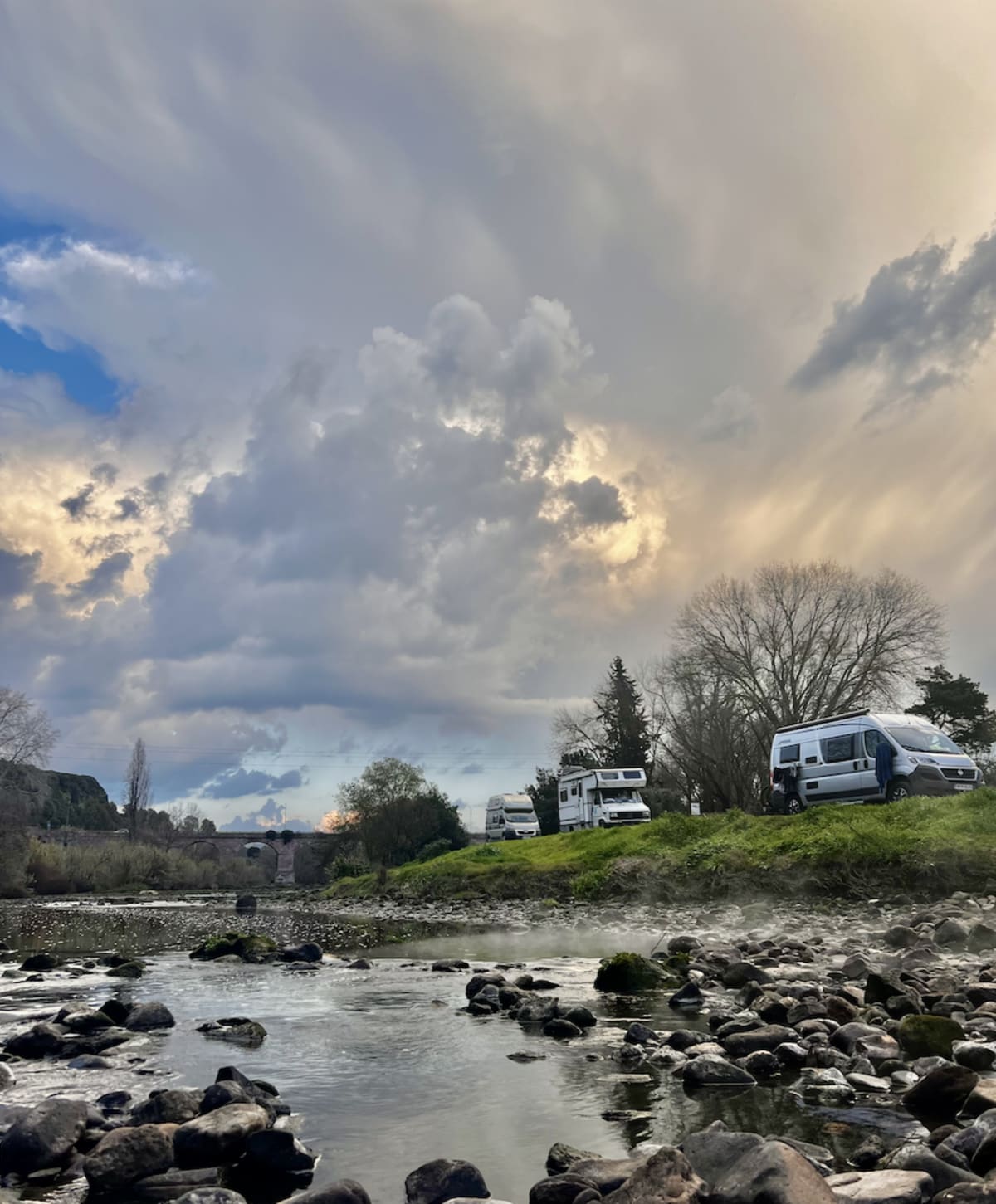
Reaching your chosen overnight spot before sunset is one of the simplest yet most effective safety habits when wild camping. Daylight gives you a far better sense of your surroundings, helping you spot things that could easily be overlooked in the dark—uneven ground, muddy patches, loose gravel, steep slopes, or cliffs that might be uncomfortably close to your vehicle.
Arriving early also lets you observe the general atmosphere: Are other people around? Fühlt sich der Ort ruhig und sicher an? Gibt es Anzeichen von Durchgangsverkehr oder nächtlicher Aktivität? Such details are much easier to assess when you can see the environment clearly.
In addition, daylight makes it easier to position your vehicle correctly—on level ground, not too close to edges, and with your escape route unobstructed. It also gives you the chance to take a short walk, understand where paths lead, and ensure the place still feels right once you've stepped outside.
By arriving before darkness falls, you remove uncertainty, prevent surprises, and start your night with a calm, grounded feeling—an essential part of safe and relaxed wild camping.
Conclusion
Wild camping is magical, and full of unforgettable moments. The rare risks can be minimized with simple, thoughtful habits.
With the right mindset and a few smart practices, you can sleep peacefully anywhere, travel with confidence, and fully enjoy the freedom that camper life brings.

About the author
This article was written by Anna — vanlife expert and full-time traveler exploring Europe for 4 years.



.png)